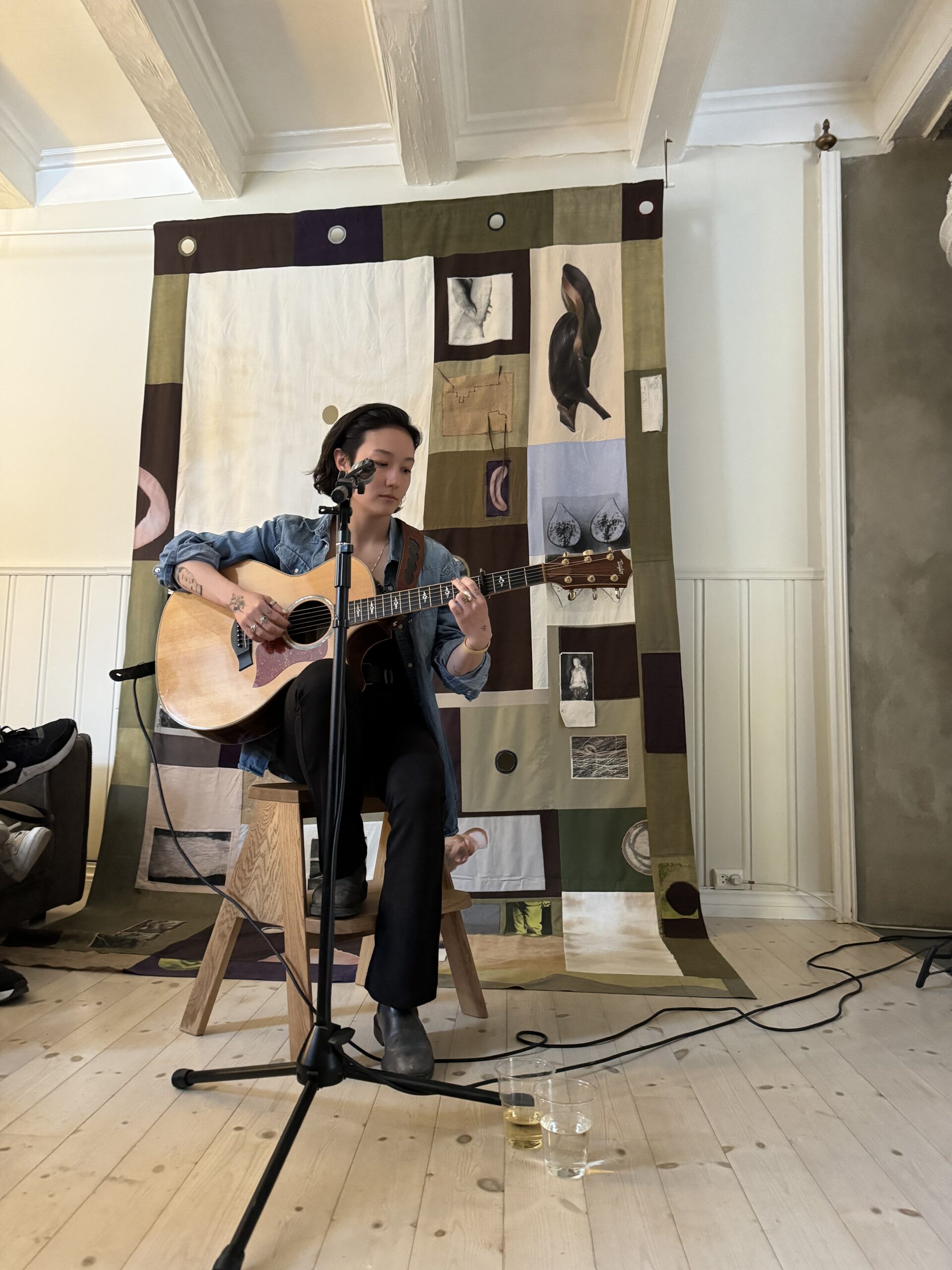
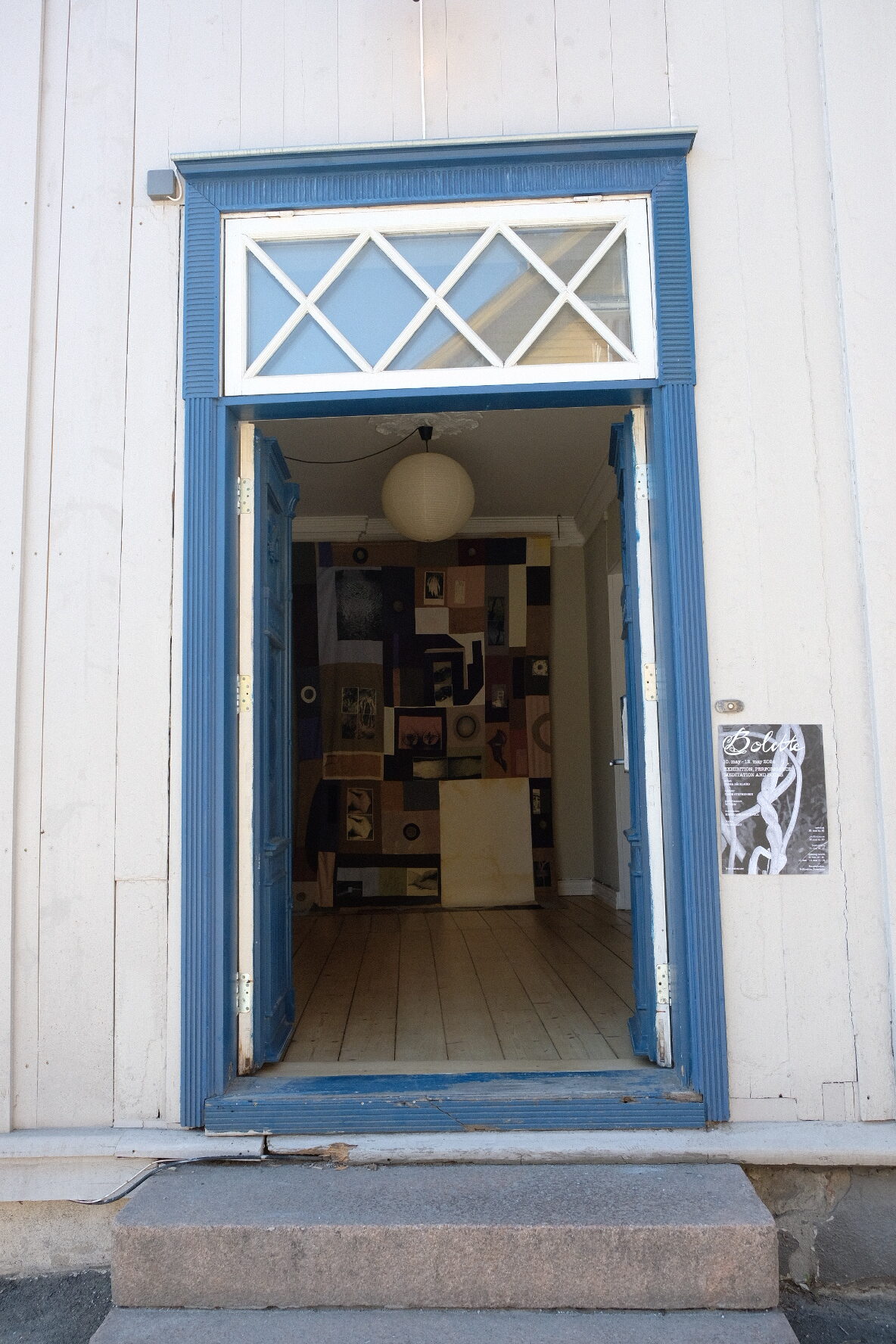
Exhibition with Ingrid Eggen.
 Drammen, NORWAY
"Touch me not, Forget me not"
10/05/2024-12/05/2024
Emma Bäcklund.
Touch me not, Forget me not
Emma Bäcklund
10 – 12 May 2024
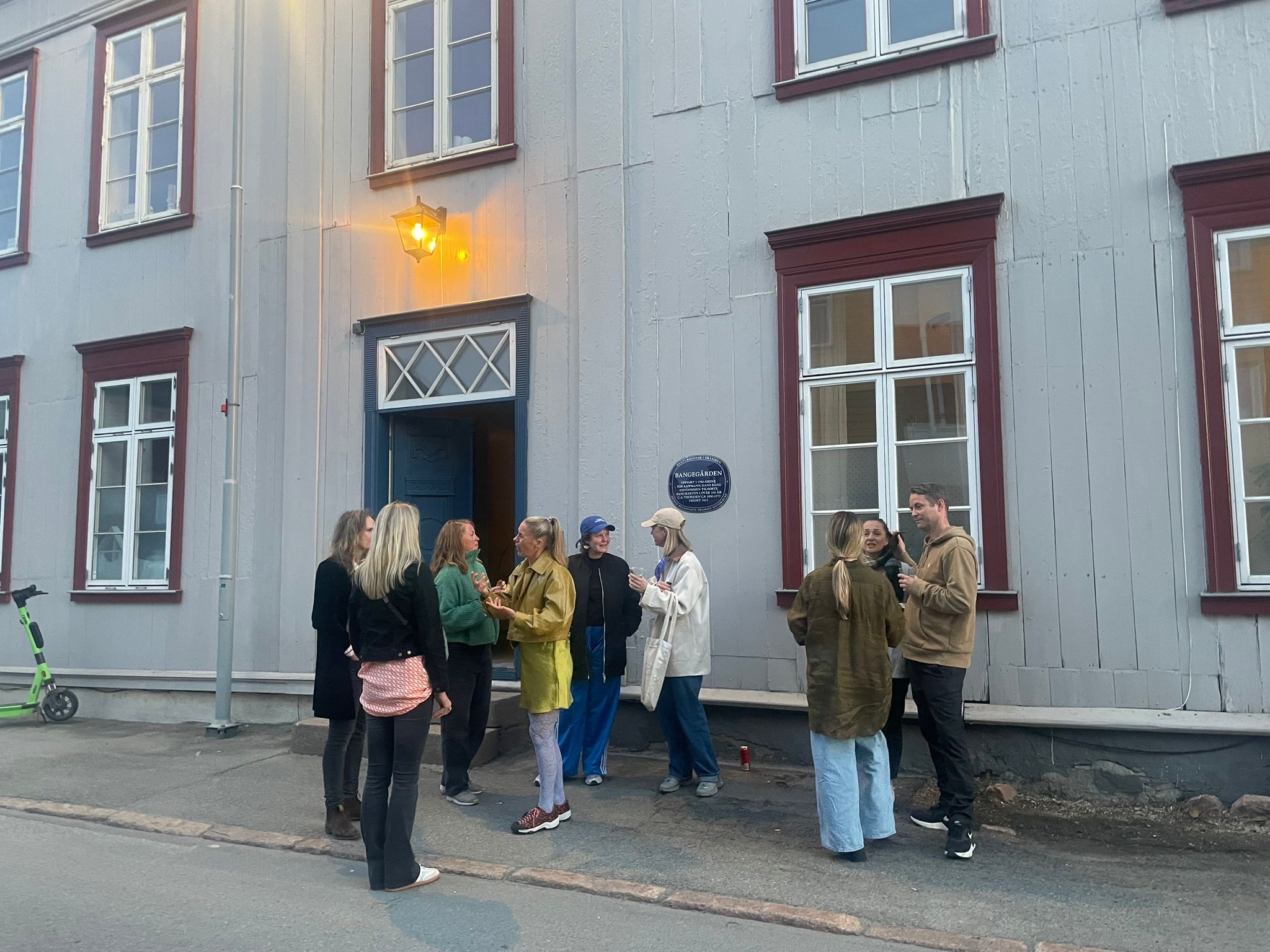
Tollbugata 62 A, 3044 Drammen
A weekend with:
EXHIBITION by Emma Bäcklund
MUSIC by Wynnm Murphy
MEDITATION by Kristiane Brudevoll
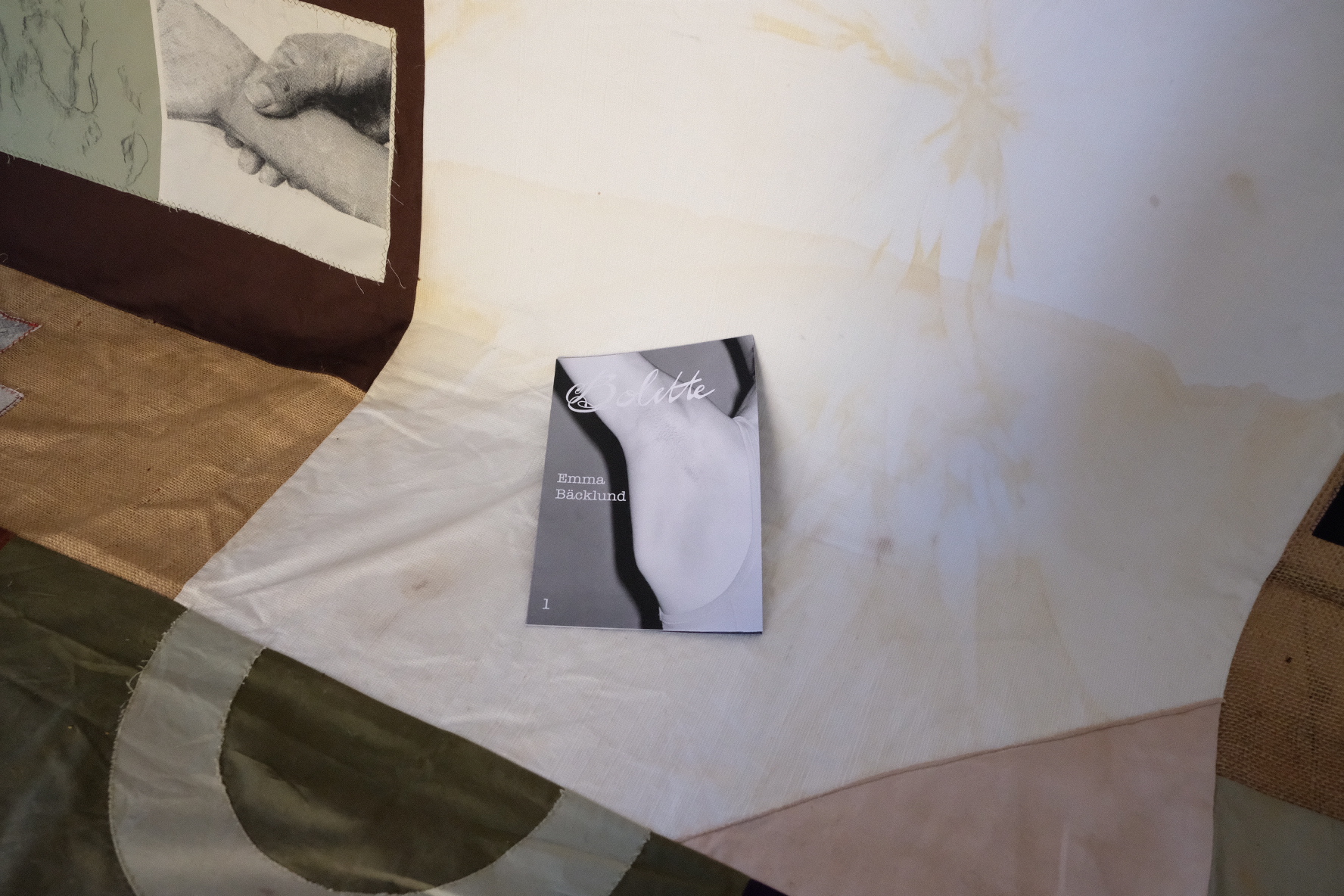
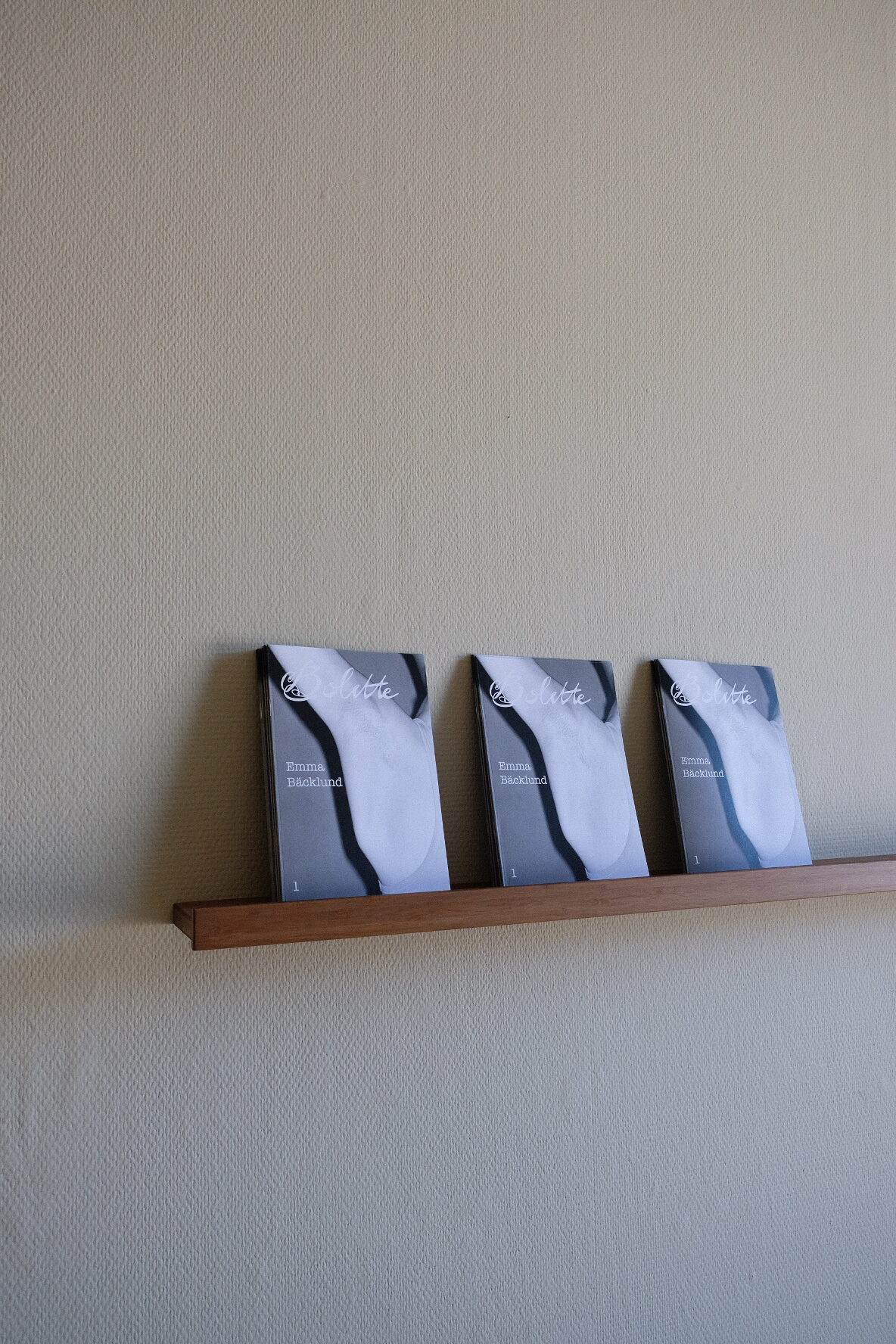
BOOKS SELECTED by Flora Gau
TEXT by George King
WEBSITE by Clara Pasteau
Curated by Trine Stephensen
Text by George King:
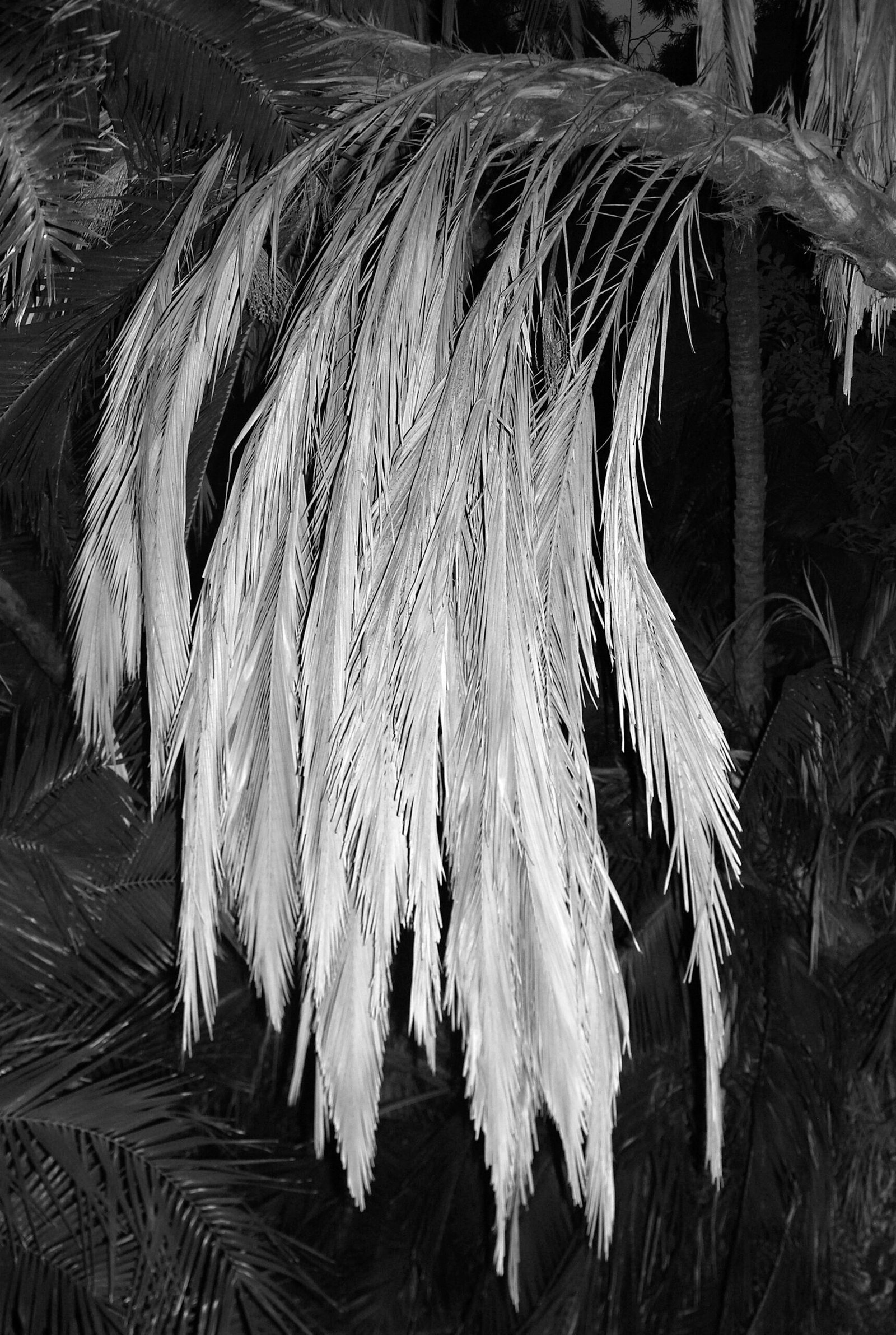
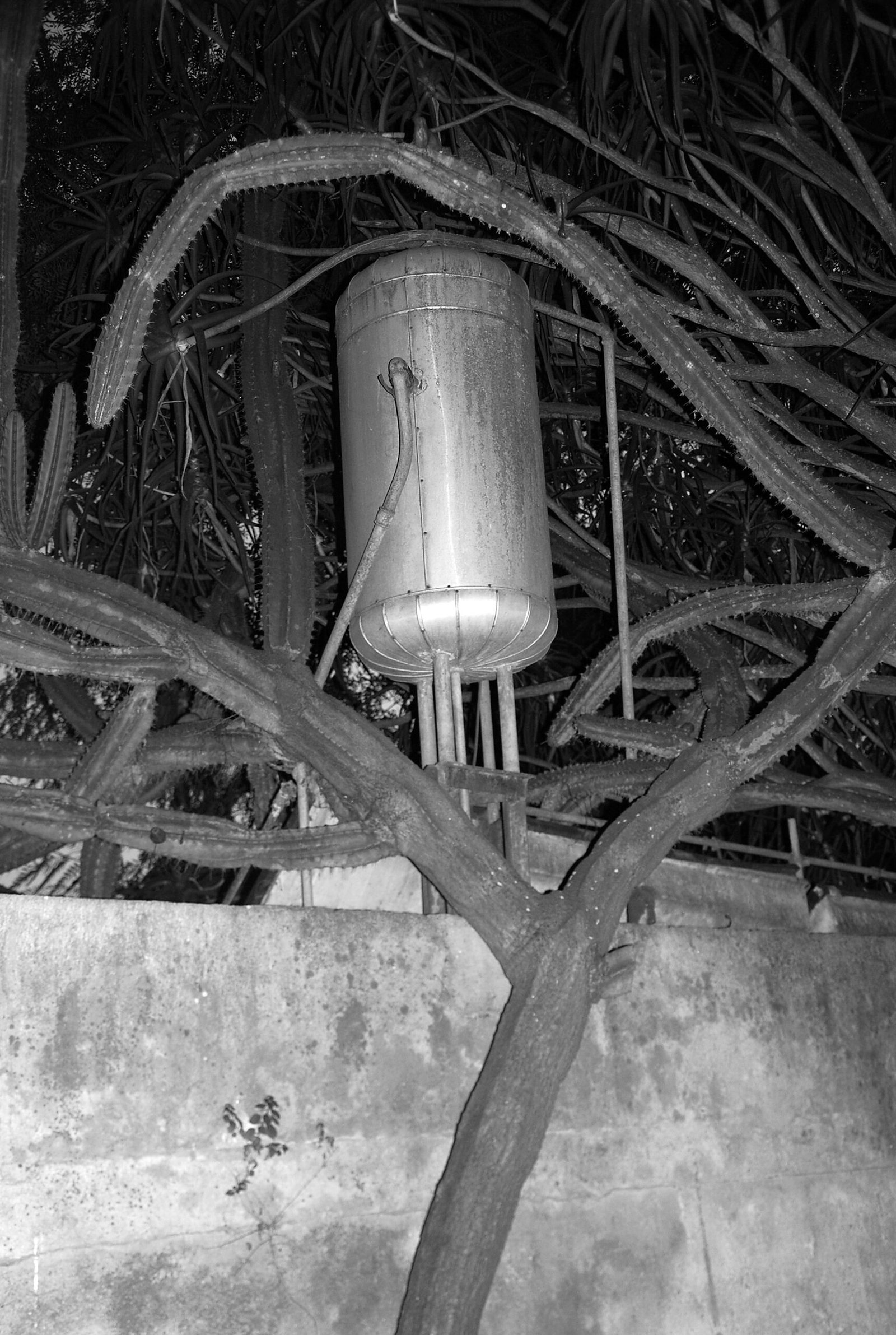
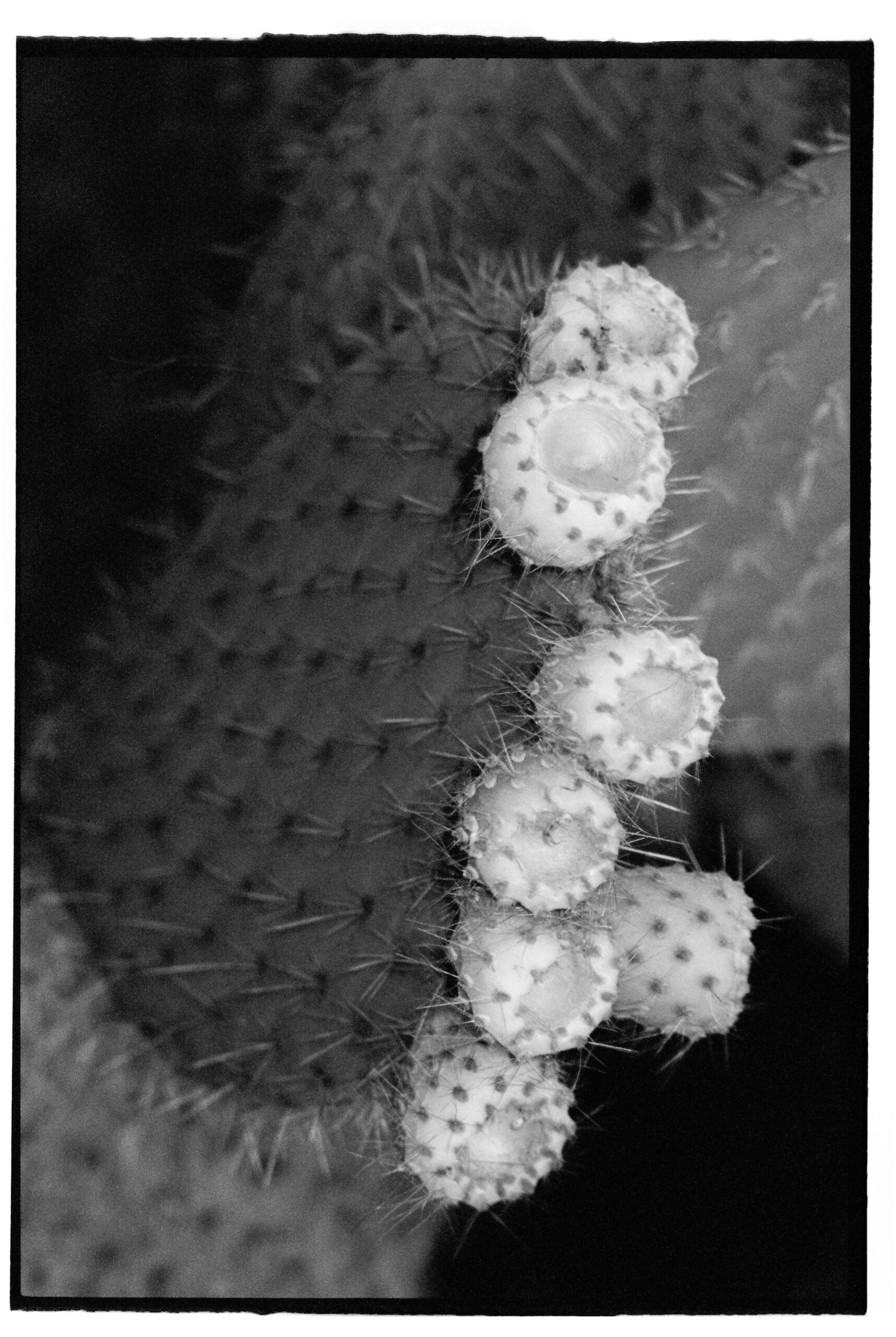
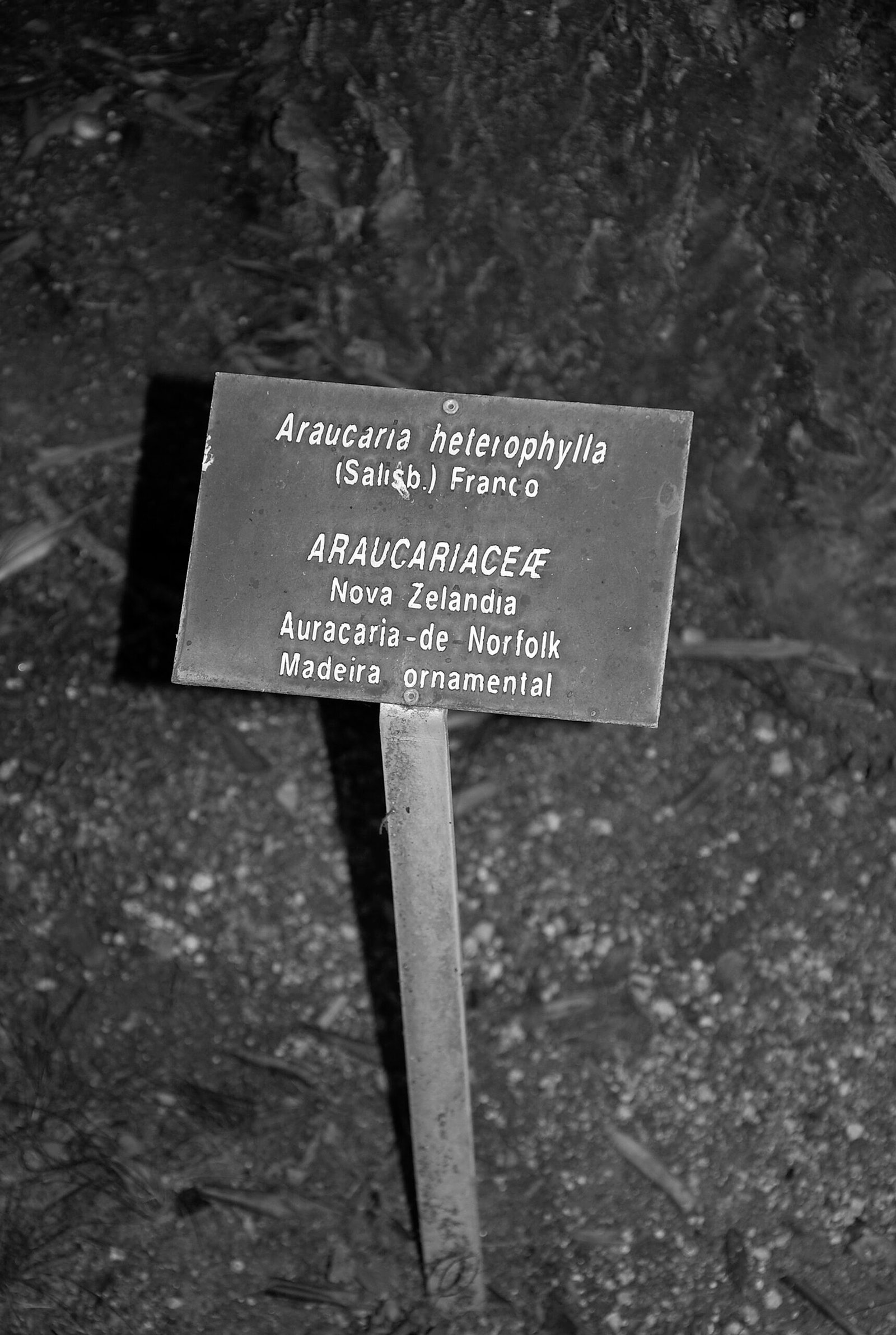
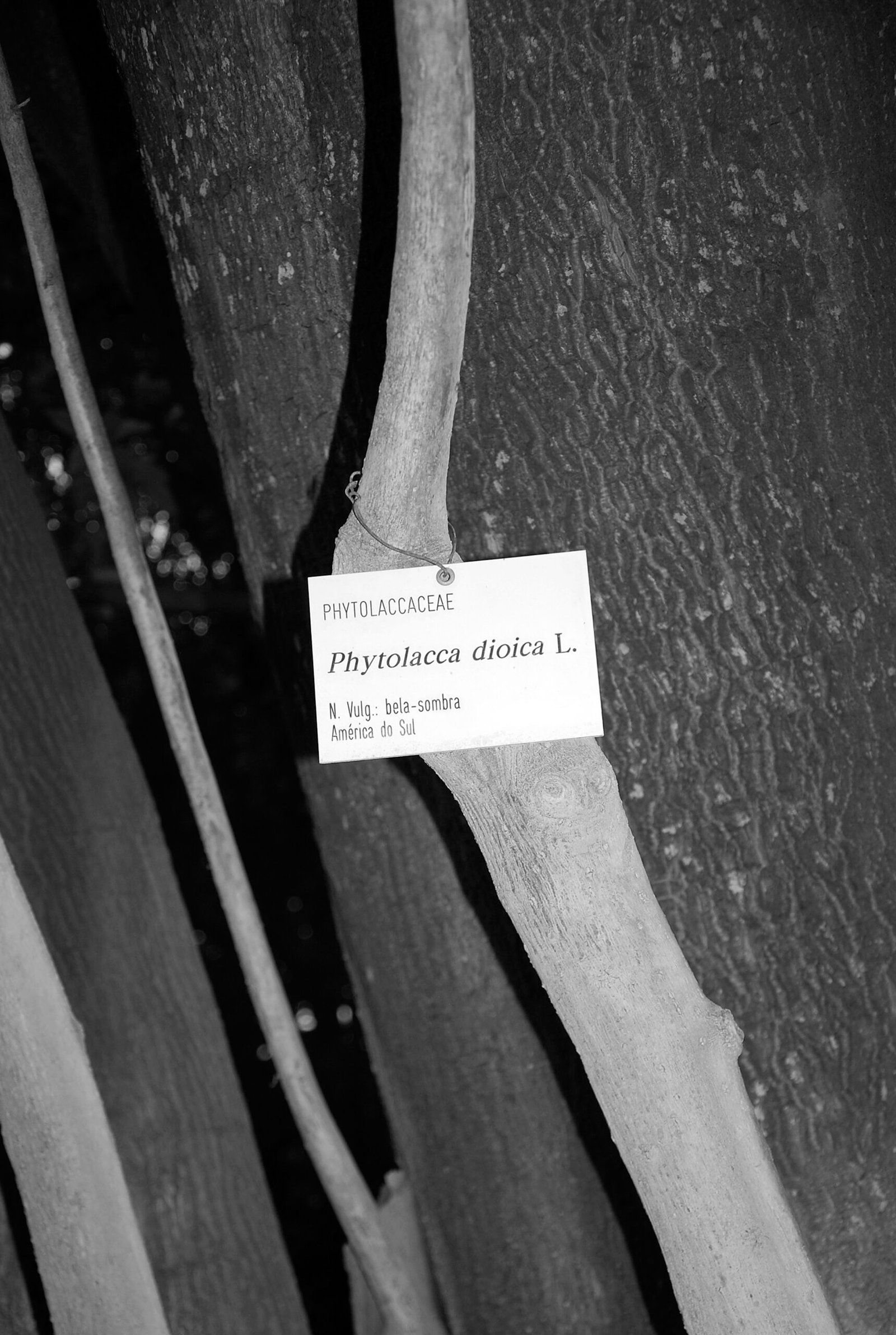
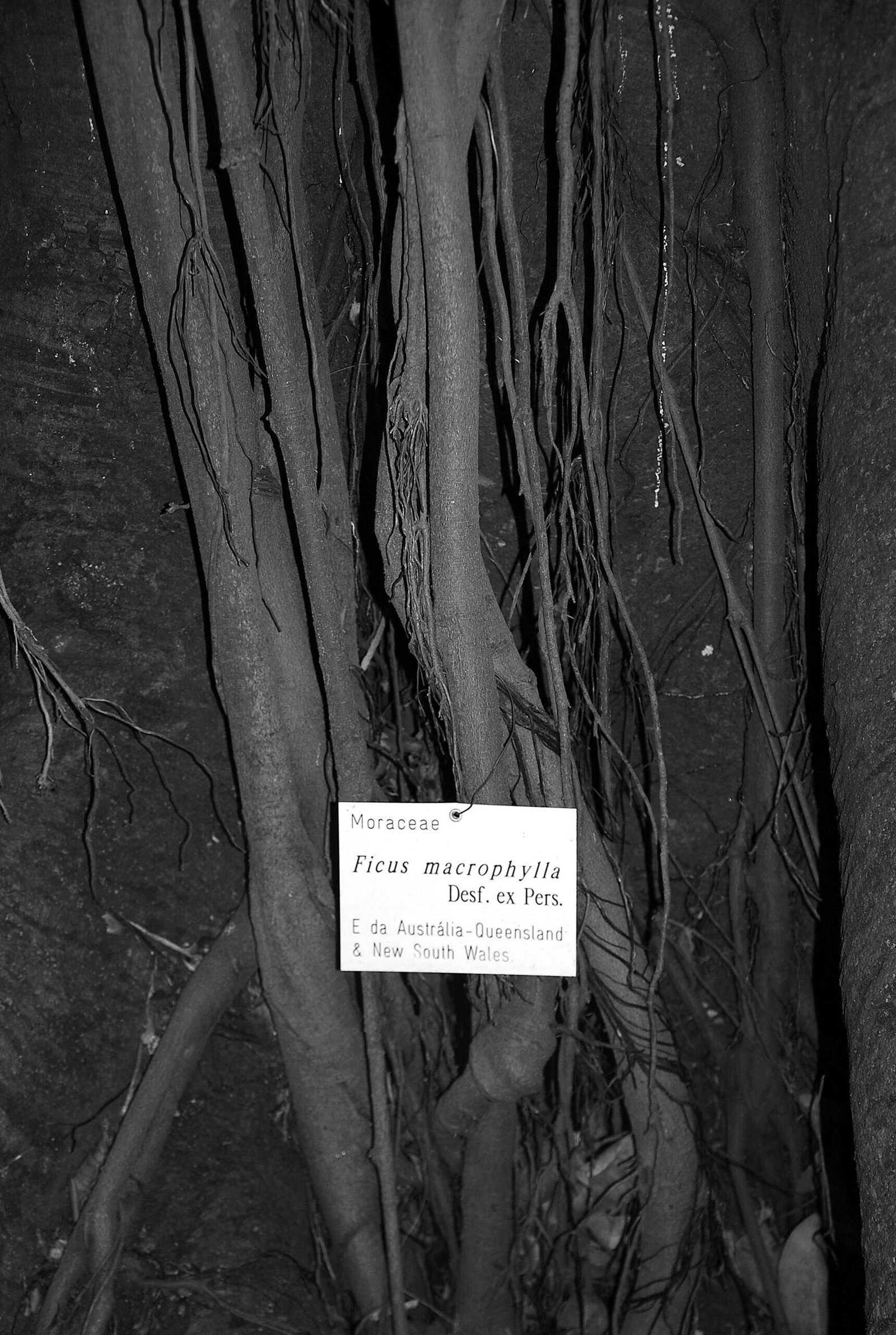
Promising refuge from the concrete hustle of the city, a trip to a botanical garden has a familiar allure. More often than not, Its resident plants – labelled throughout for the visitor’s convenience – are organised neatly around a network of landscaped footpaths. Rising over flowers, ferns and mosses, a canopy of trees provides welcome shade, whilst water lilies skim the surface of an artificial pond. Teams of gardeners, hosepipes in hand, work carefully to ensure no single stem not glistening leaf goes thirsty. The glass panes of greenhouses – home to an array of exotic palms and succulents – harness the sun’s heat, conjuring the steady warmth of some far-off foreign land.
As evocative as these spaces might be, visual artist Emma Backlund urges a more cautious, critical response. On the one hand, the seductive effect of manicured plant life obscures the stark colonial roots of the institutions that house it. Like many museums, botanical gardens were a means for European colonial powers to exhibit the spoils of foreign conquests, using natural specimens to underline the breadth and fertility of their powerful empires. On the other, Backlund’s reflections challenge the extent to which a place like this can truly be considered ‘natural’; where a plethora of non-indigenous plant varieties may well be living and breathing, but where the human experience – and taxonomical lens – remains paramount. Ultimately, Backlund’s investigations seek to challenge misguided assumptions that nature is simply a passive, dormant backdrop for our lives.
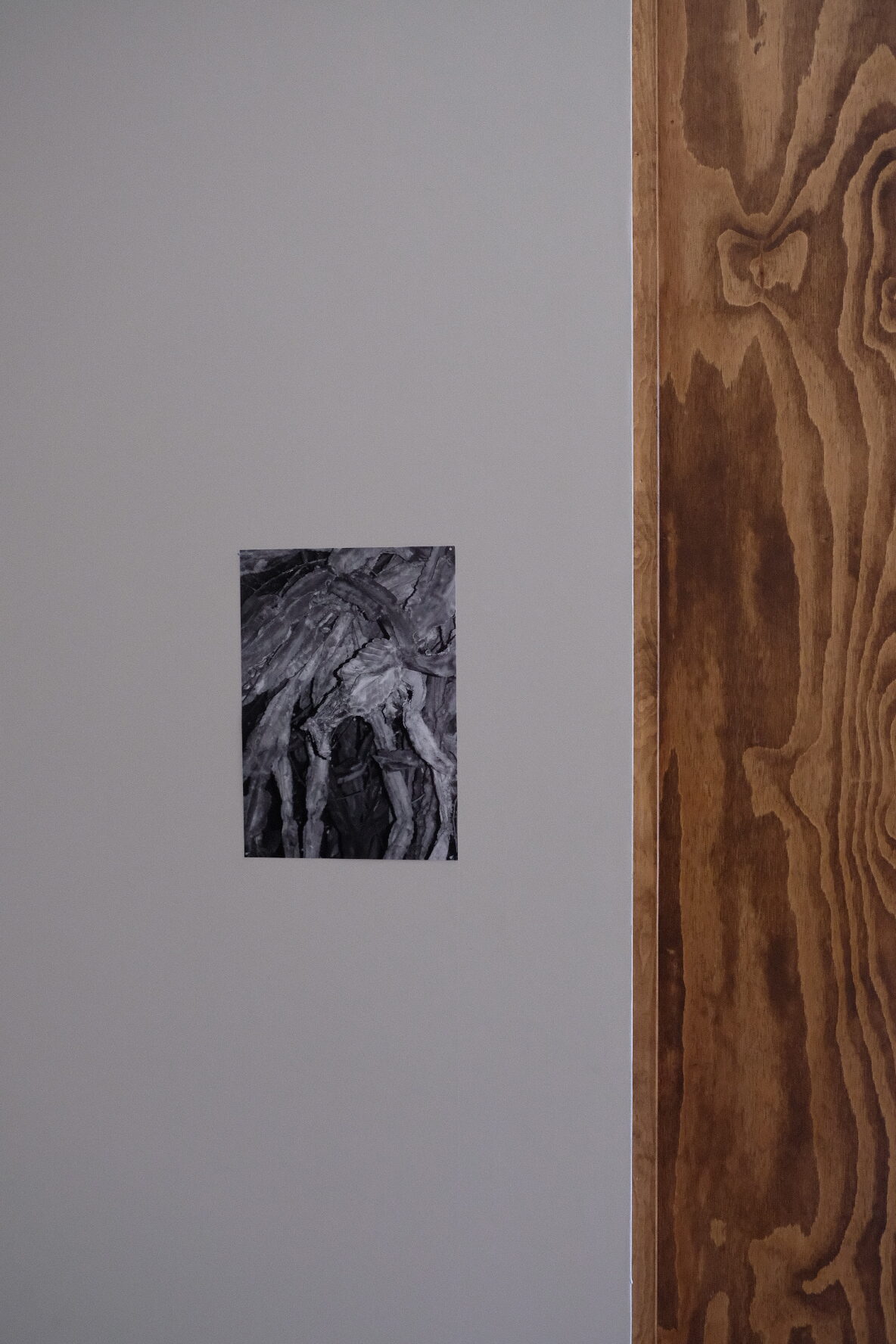
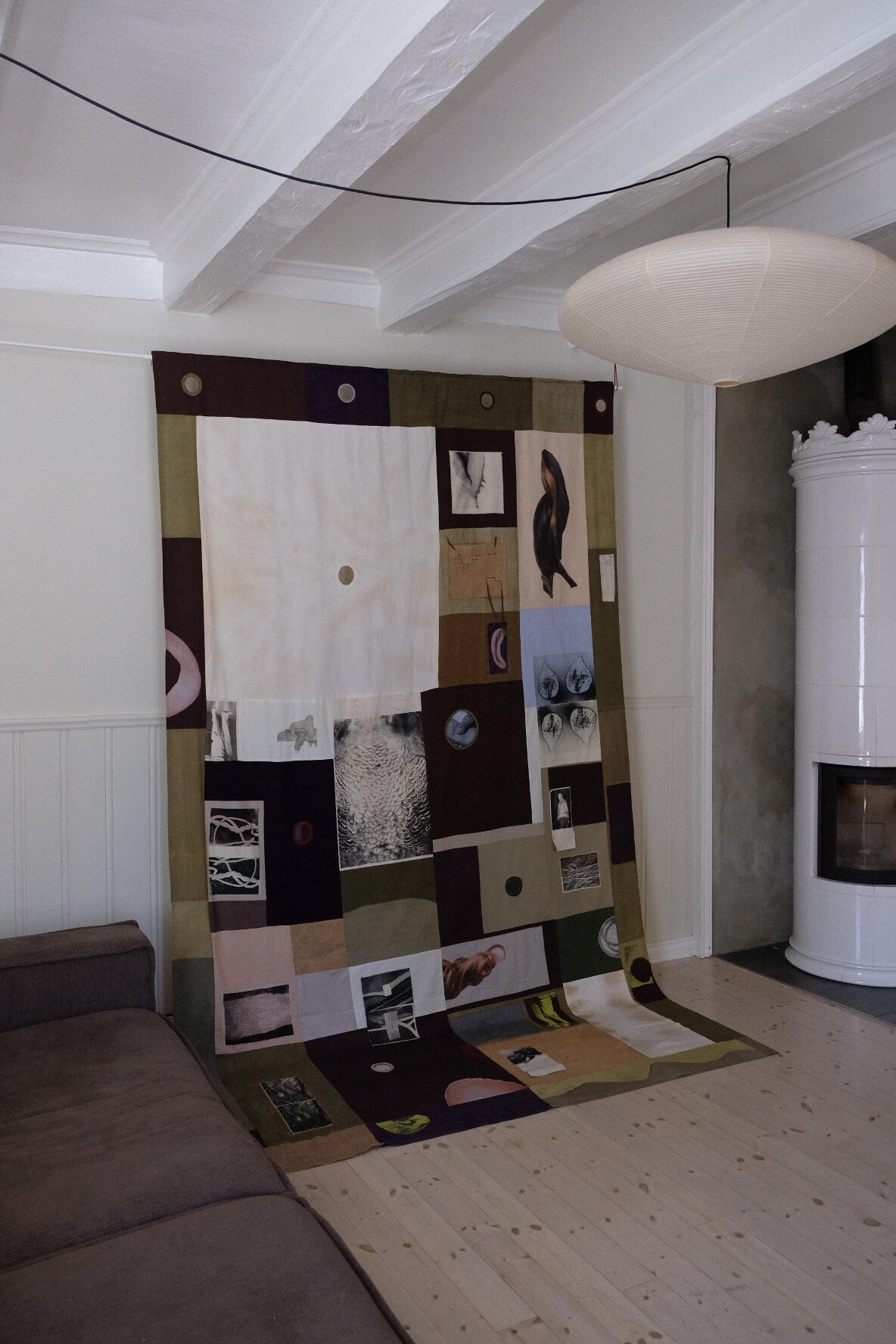
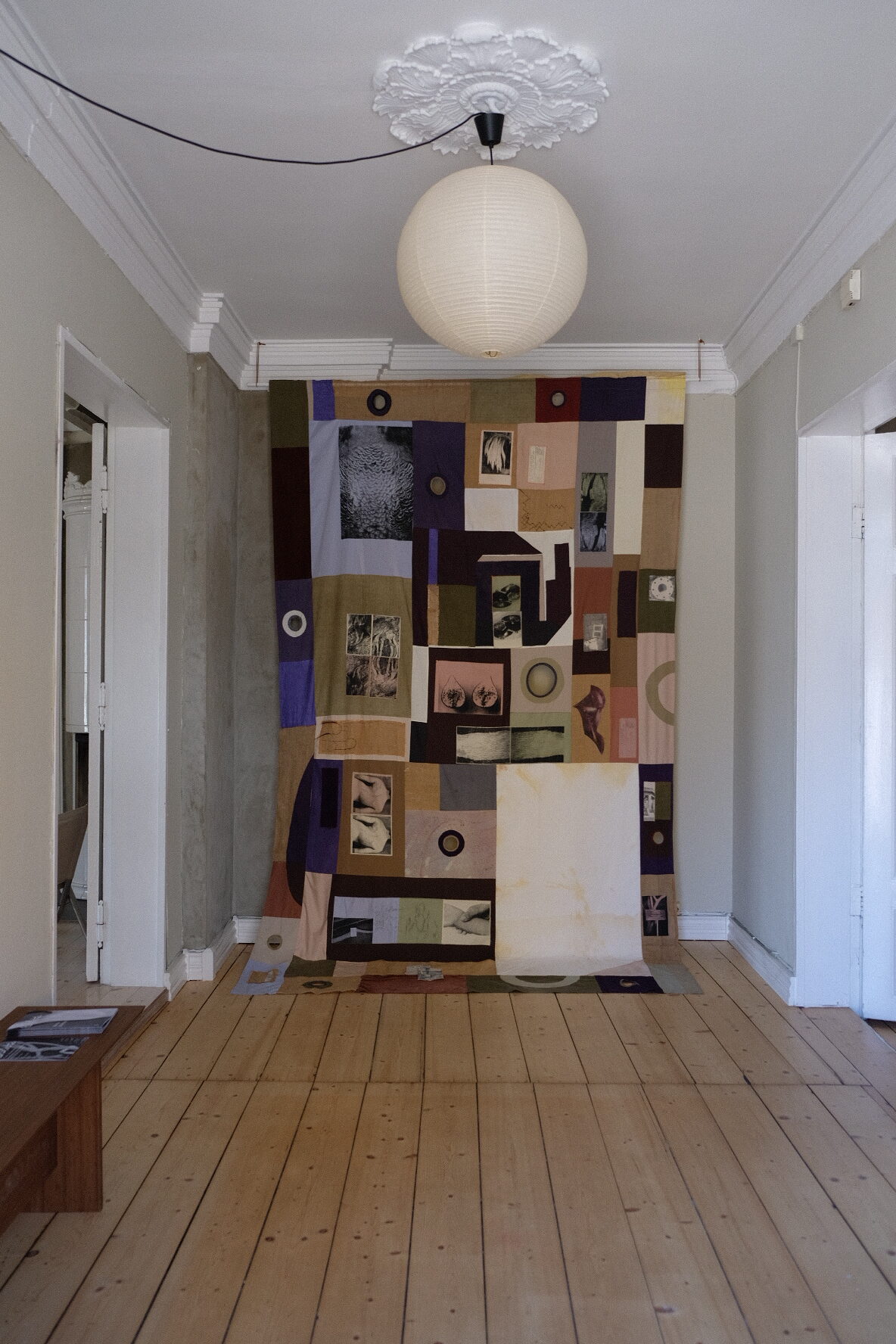
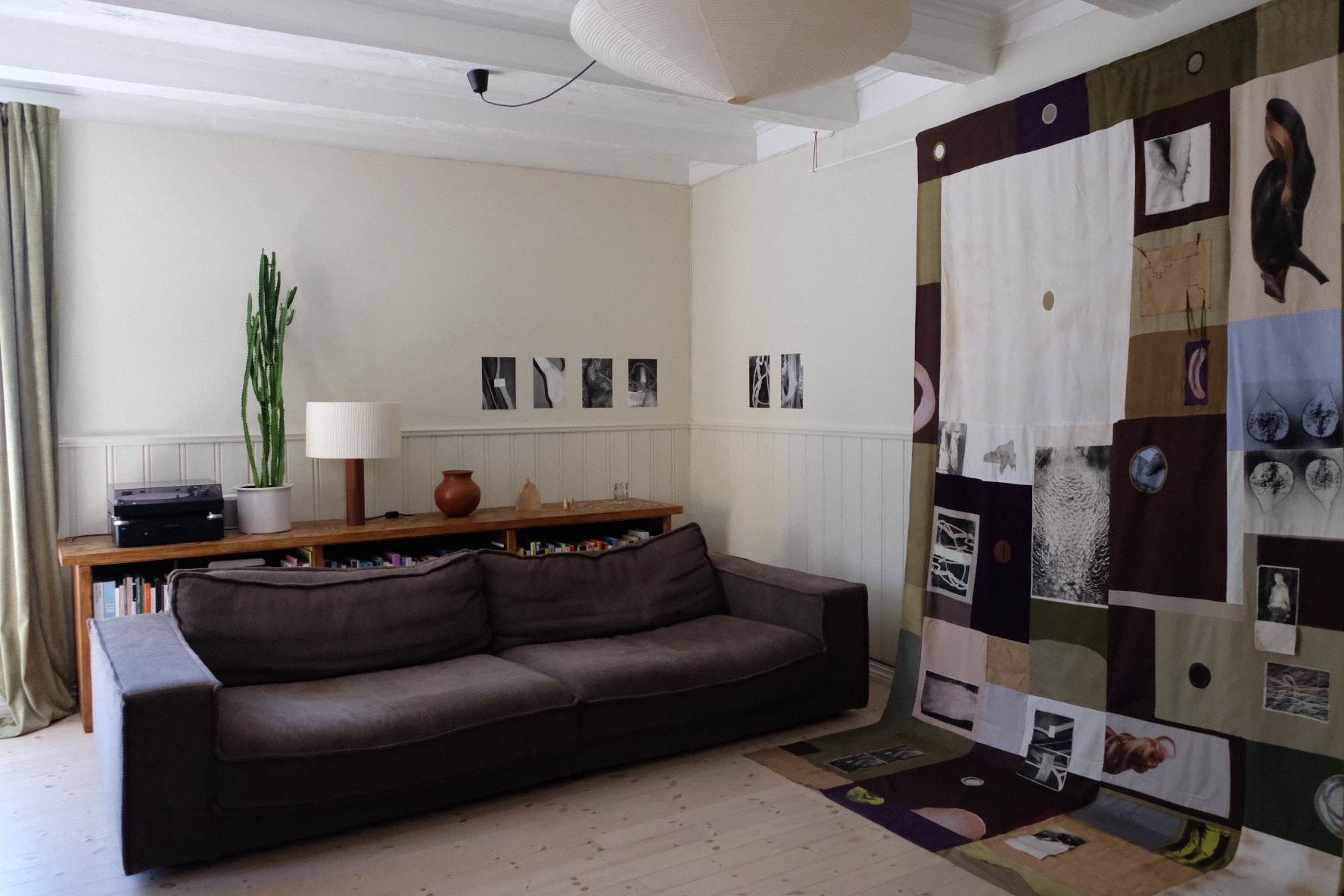
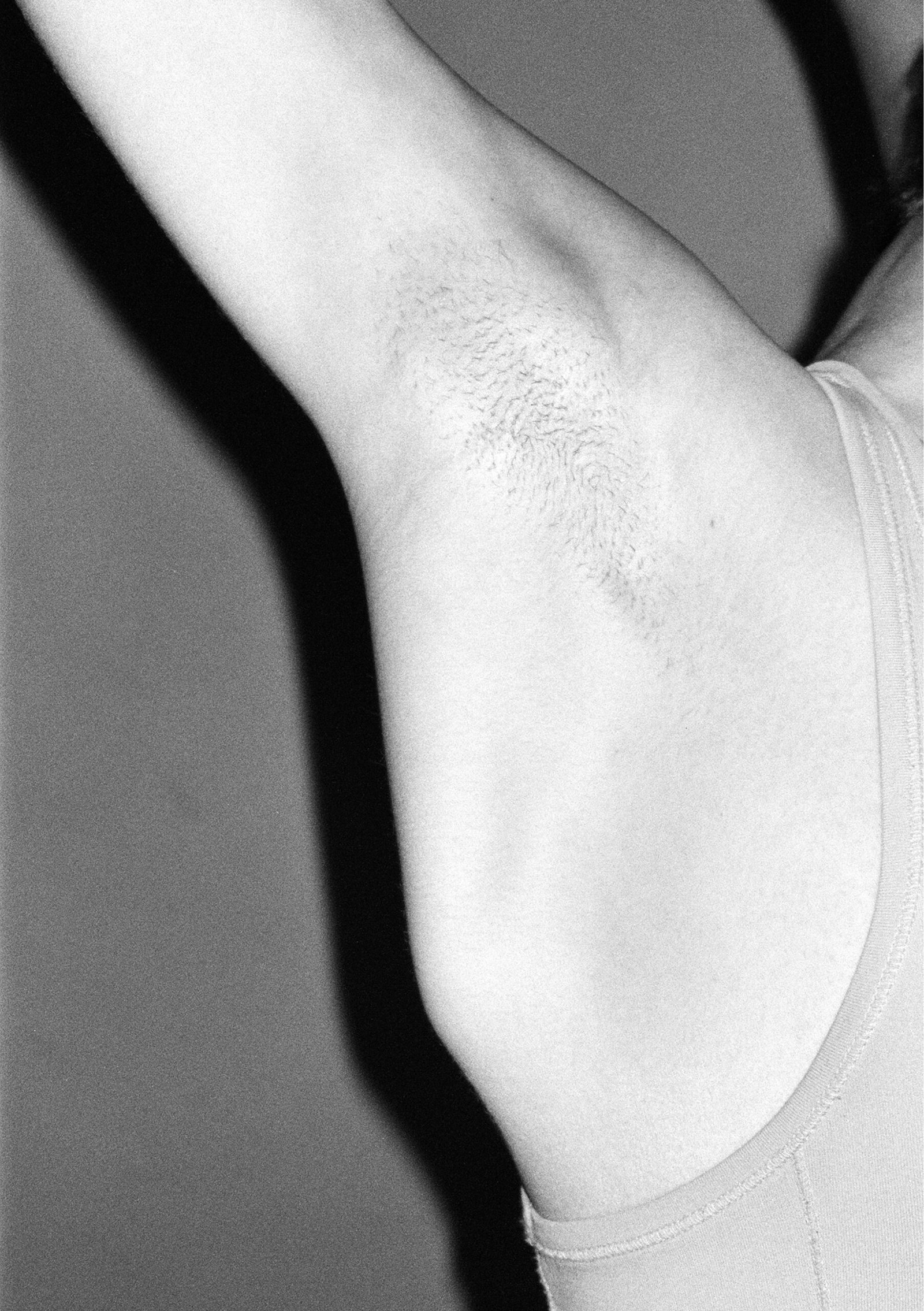
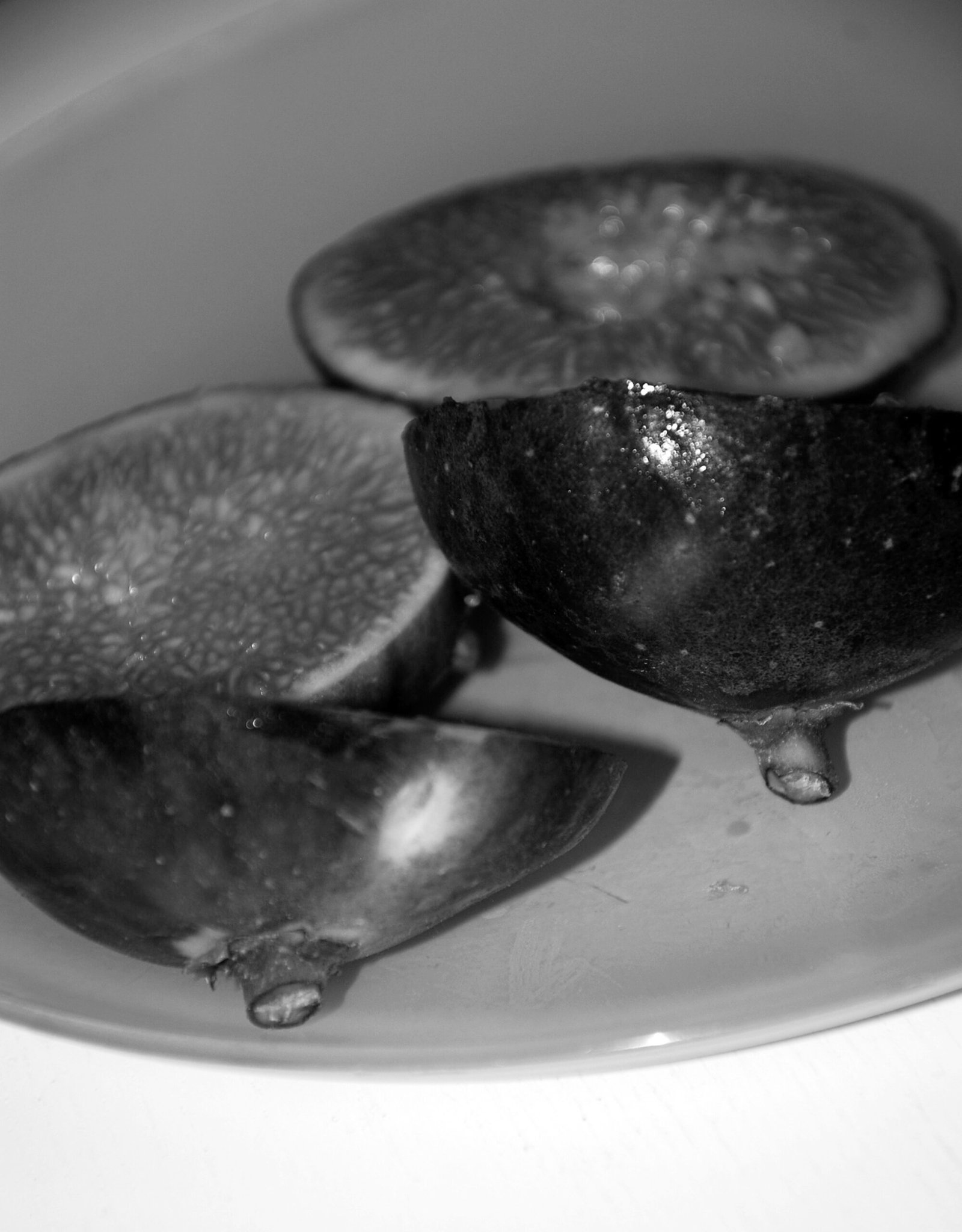
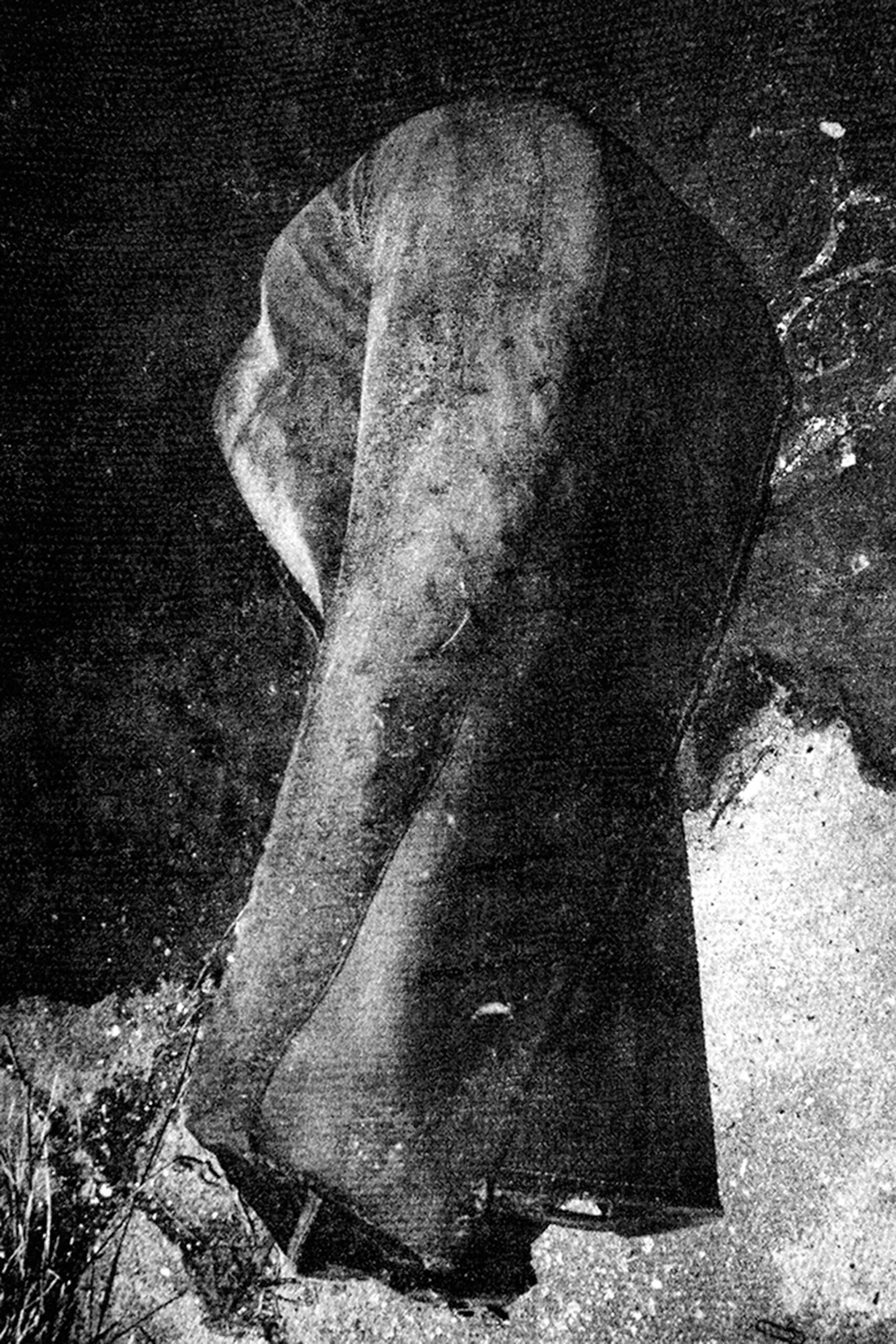
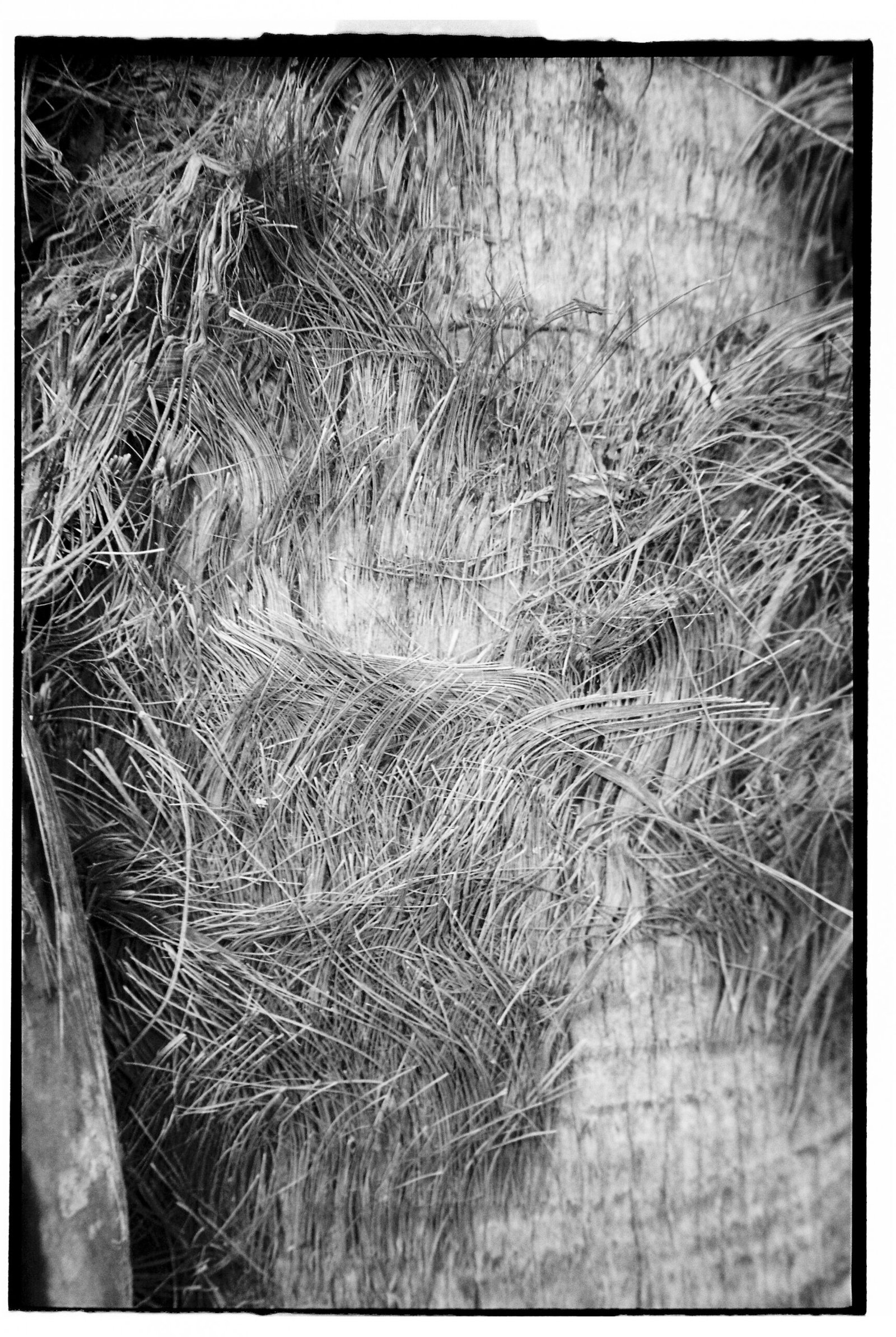
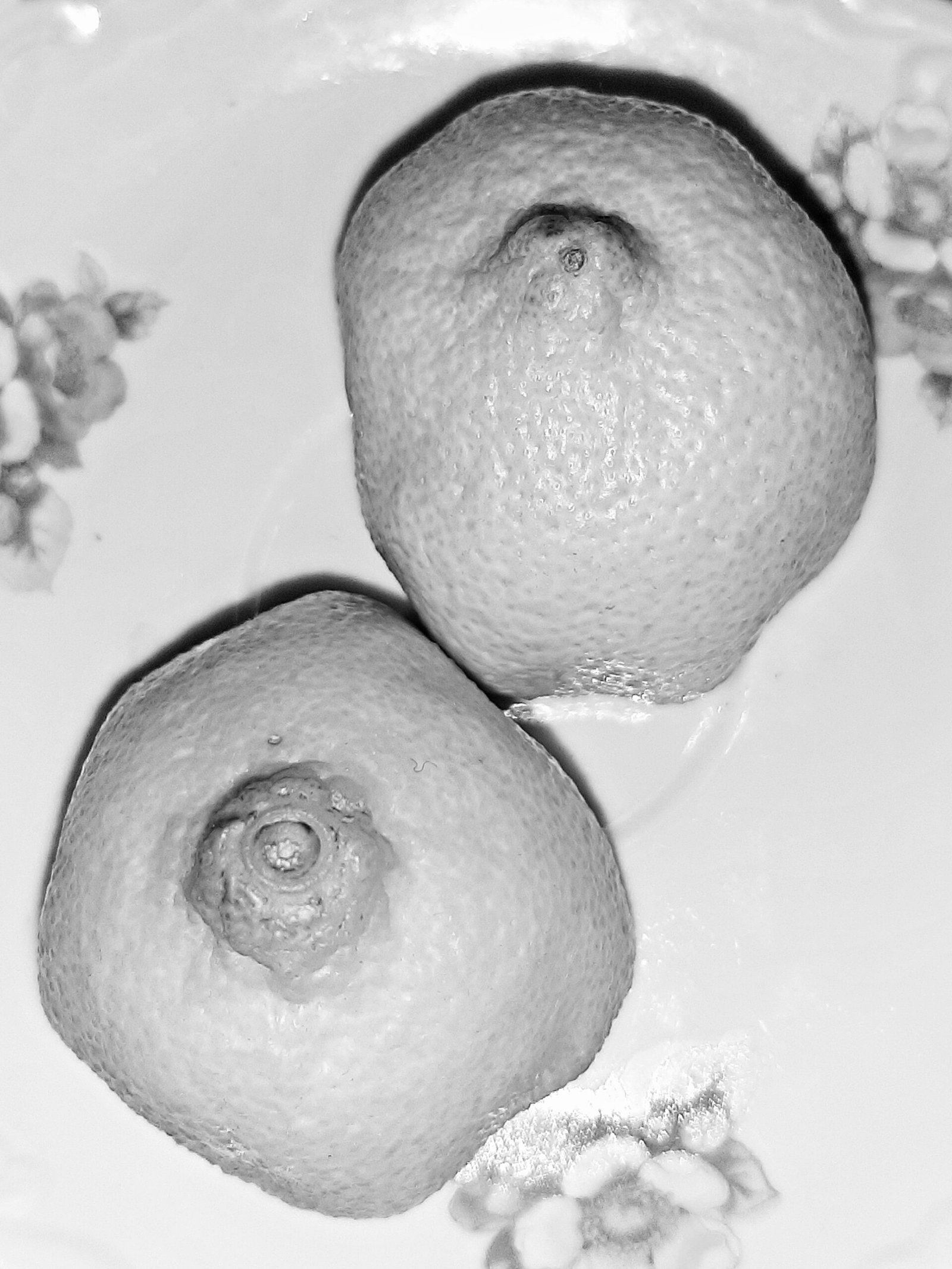
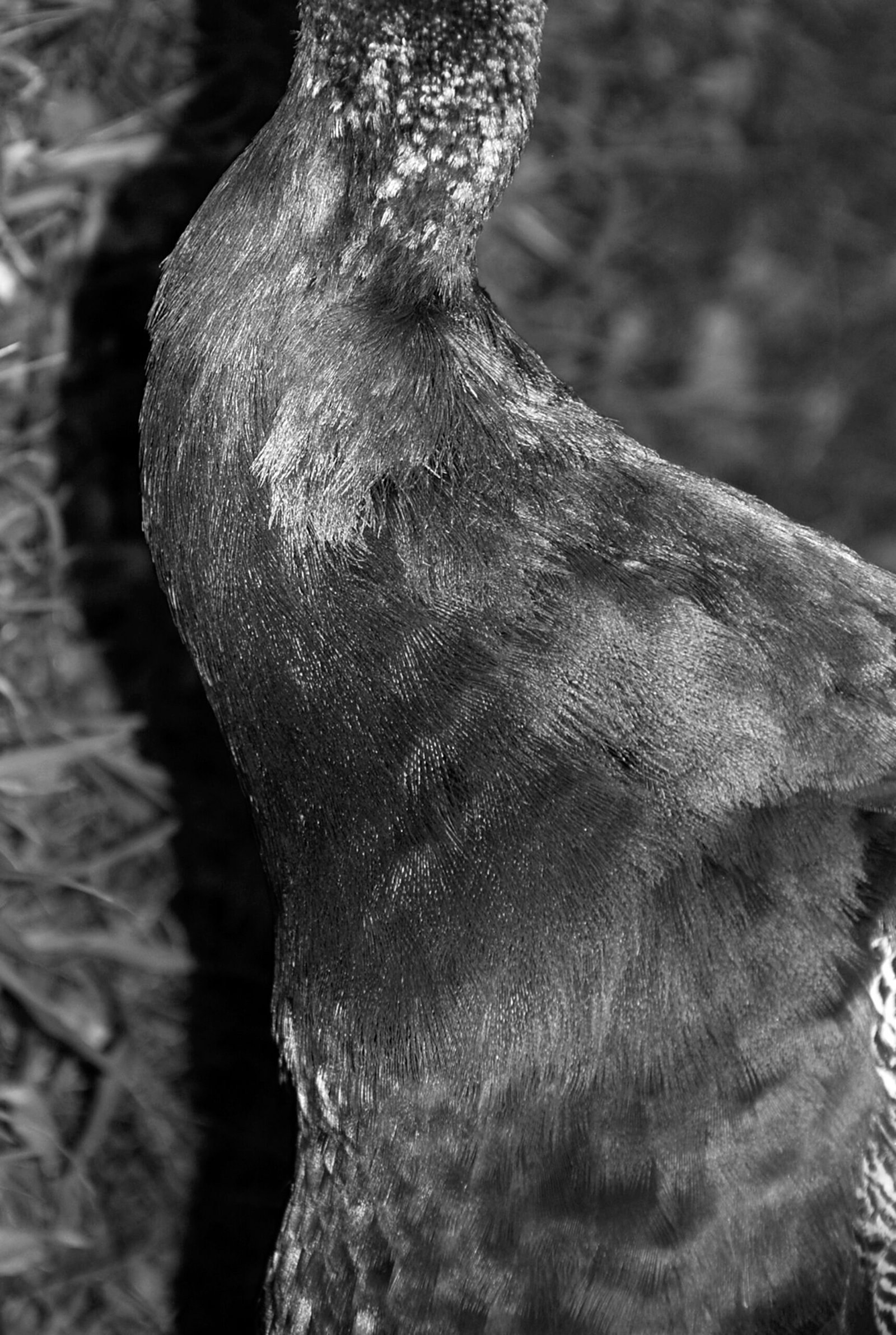
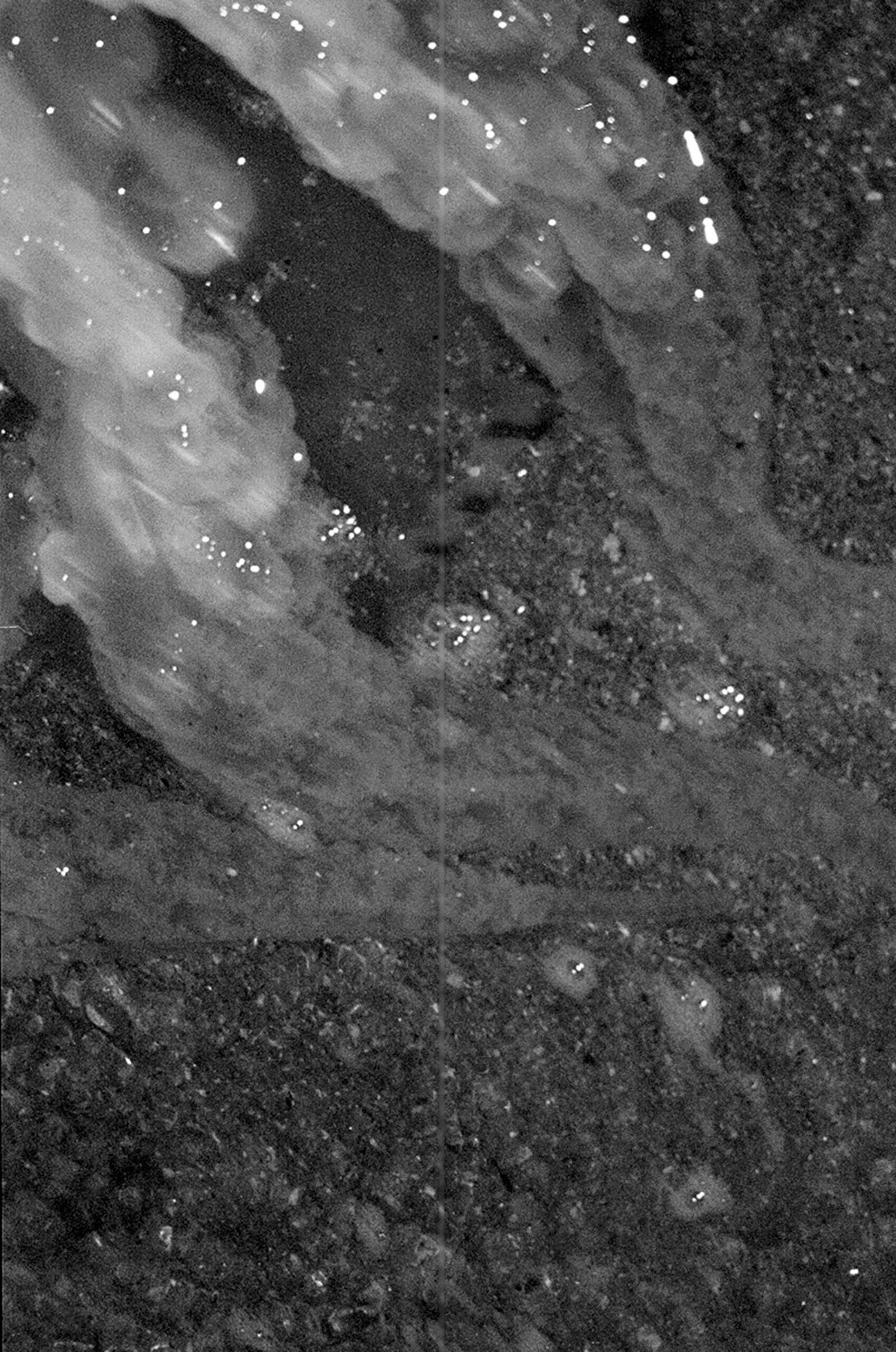
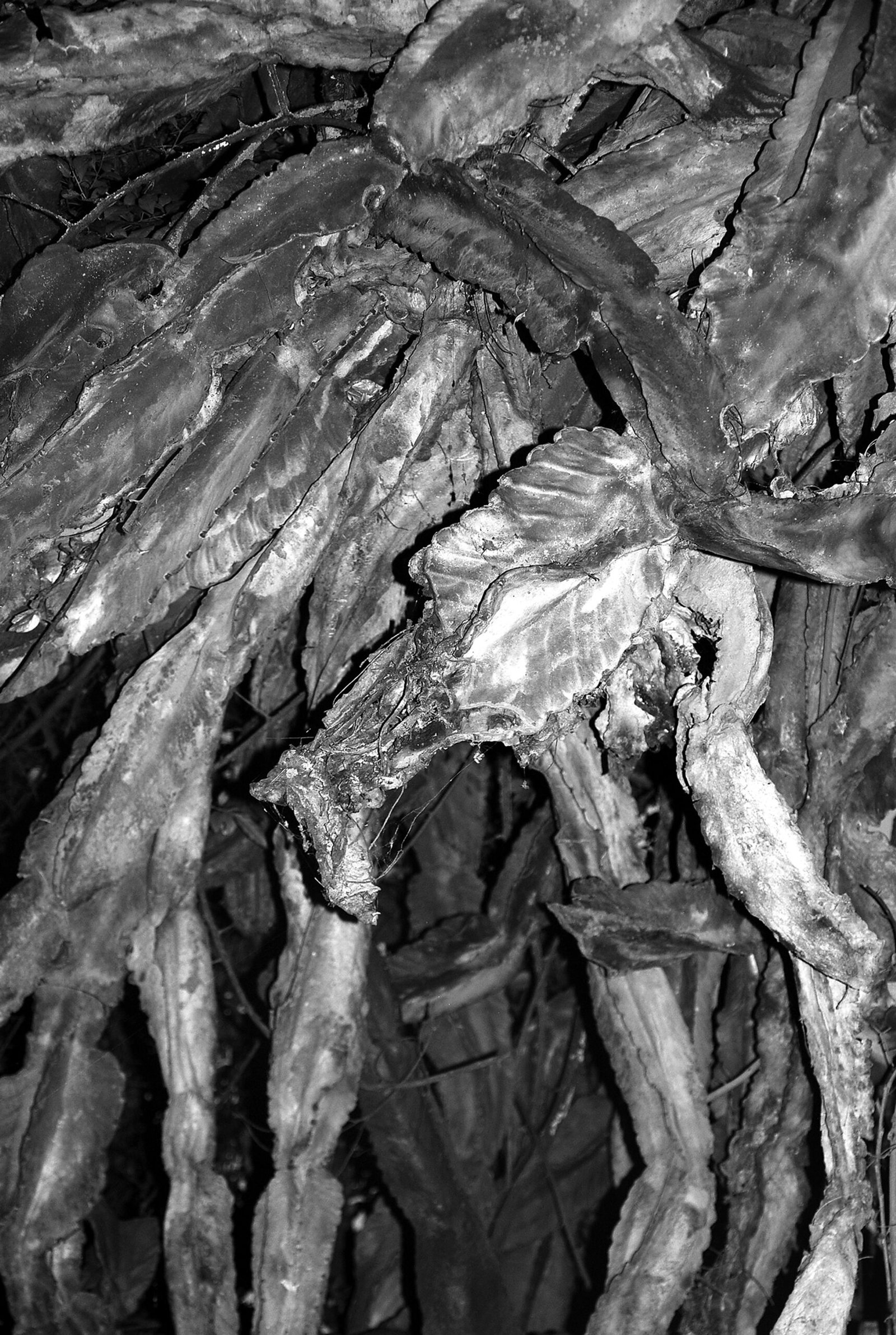
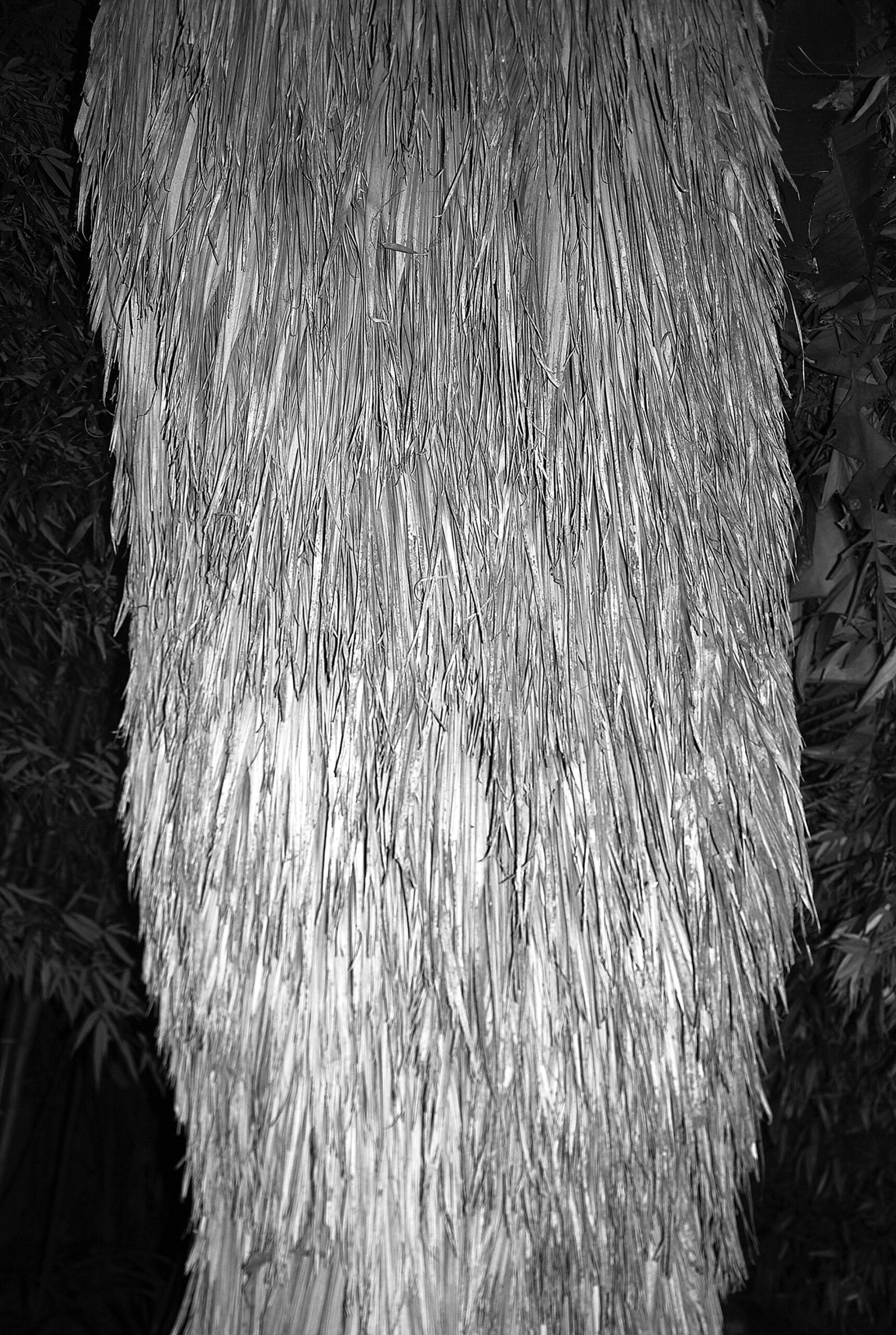
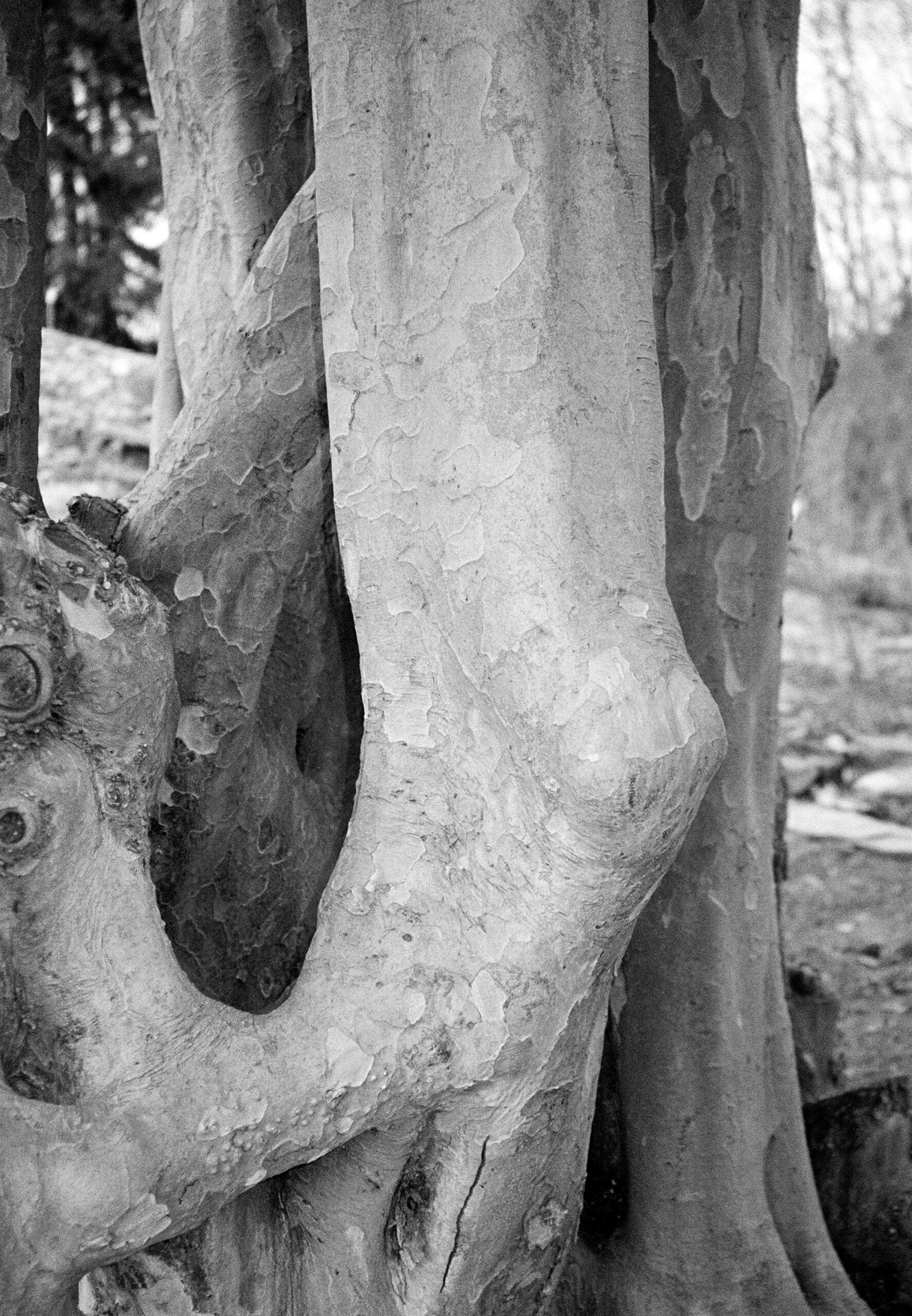
Developed during an artist’s residency in Lisbon, Backlund’s Touch me not, Forget me not comes together in the form of a tactile patchwork quilt, meticulously woven in jute, embroidery and synthetic hair, and coloured in a gentle palette of natural plant-based dyes. Punctured with circular holes, its surfaces are adorned with silkscreen-printed images of plants from the city’s own botanical garden and photographs of human bodies in contexts of care. Whilst representations of the human form are a mainstay of Backlund’s work, the combination of flora and fauna here asks why divisions between the two are conventionally so strict: is it only animals, then, that are capable of sentience? The mimosa plant, referenced in the work’s title, seems to suggest otherwise. Its leaves curl and withdraw when handled by human fingers, though the response ceases when the plant perceives no significant threat – like a kind of muscle memory.
Beyond its references to Lisbon’s botanical gardens, where Backlund’s work was premiered in a 2024 display, Touch me not, Forget me not weaves other local connections. The studio site where her residency was hosted offered access to a former textile factory, once operated by Portugal’s largest business group, the Companhia União Fabril (CUF). Understanding the intertwined relationship between the production and export of goods, and the dynamics of private enterprise and colonial expansion, her decision to work with textiles – something of a new turn – provides a quiet counterweight to industrious capitalist cycles, invariably presided over by gluttonous businessmen. Equally, it’s a choice that taps into a rich and political lineage of textile work – sneered at historically as a woman’s pursuit, and unfairly condemned from the domain of fine art.
Significantly, Backlund’s project also probes at the work of Carl Linnaeus: the 18th century Swedish biologist who is today hailed as the father of modern taxonomy. It was Linnaeus’ Systema Naturae that pioneered the classification of species, minerals and plants, recording their source locations and attributing them genders and latin names. But what real value – with its strict adherence to colonial logic, and the imperial impulse to sort and capture – does this work still maintain? With its natural pigments, soft edges, peeping holes and abstract representations of plant life, Backlund’s tapestry instead celebrates nature’s potential by ushering us into a far more embodied encounter, alluding to the many forms of knowledge that have forever eluded official narratives.
BIO
Emma Bäcklund is an artist and researcher whose work moves between photography, installation, live practices and writing, examining the relationship between body and image. Her work draws on visual culture, dance and philosophy to explore the nature of limitation. Themes of gesture, care, duality, and the close-up often recur throughout her work, which is frequently realised through tactile and analogue processes. Her work has been exhibited in galleries, independent art spaces and photography festivals, and featured in artist publications, journals and online platforms.
She holds an MA in Photography from the Royal College of Art (2017), a BA (Hons) in Photography from the London College of Communication, and completed Foundation Diplomas in Art and Design at Central Saint Martins and Folkuniversitetet in Stockholm. Since graduating, she has been invited as a visiting artist and guest tutor on BA- and MA-level photography and fine art courses in the UK and Portugal.
Bäcklund has experience in curating and organising exhibitions, public programmes and events, and has participated in independent art collectives in London and Berlin, bringing artists and writers together through talks, reading groups, exhibitions and collaborative exchange while challenging institutional and social biases.