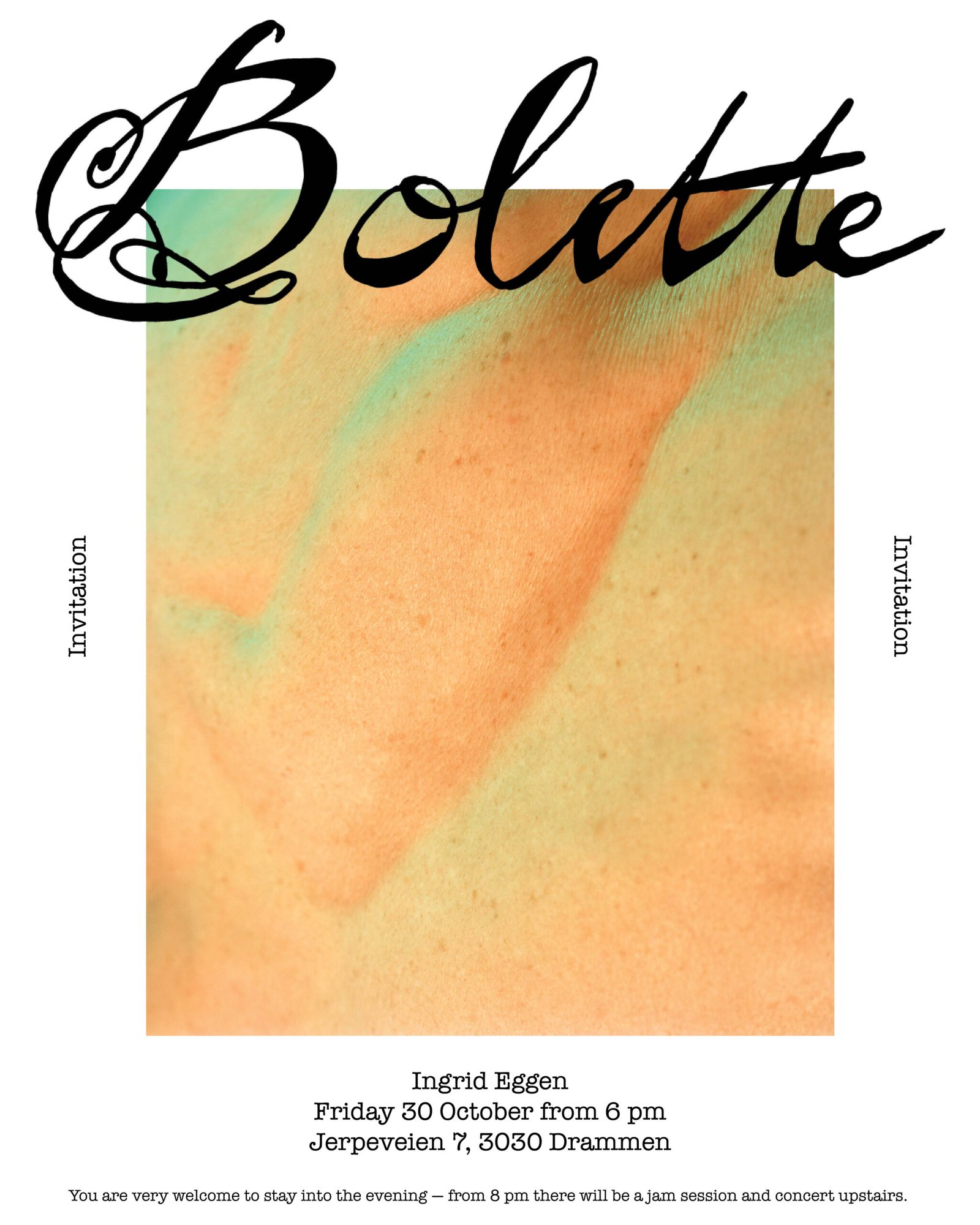
Exhibition with Ingrid Eggen.
 Drammen, NORWAY
"SAMLEDD"
30/10/2026-29/11/2026
Ingrid Eggen.
🖤 We are pleased to present Ingrid Eggen’s exhibition SAMLEDD.
Opening Friday 30 October from 18:00.
You are very welcome to stay into the evening, with a jam session and concert upstairs from 20:00.
The exhibition marks the beginning of Bolette’s programme of exhibitions, publications and gatherings dedicated to photography, contemporary art and artist-led practices.
The exhibition is open to visitors
Opening evening – Friday, 30 October
6–9 pm
Saturday, 31 October & Sunday, 1 November
12–3 pm
Afterwards, the exhibition will be available by appointment throughout November.
Please feel free to get in touch if you would like to visit at another time.
On the exhibition
The following text by writer George King accompanies the exhibition and offers a closer reading of Ingrid Eggen’s work and artistic practice.
We are accustomed to reading body language. A clenched fist, a curling lip, a tilted neck, a foot planted firmly on the ground. Each gesture, it appears, offers insights into the emotions and intentions of its performer – a kind of non-verbal vocabulary, perpetually reinforced by centuries of habit and cultural convention. But what happens if the human form slips into alien territory, sidestepping these decipherable codes altogether? When the body is made strange – limbs folded into unfamiliar configurations, fragmented stretches of skin reframed as fleshy new landscapes – do our interpretive tools still hold weight, and what else could we stand to learn?
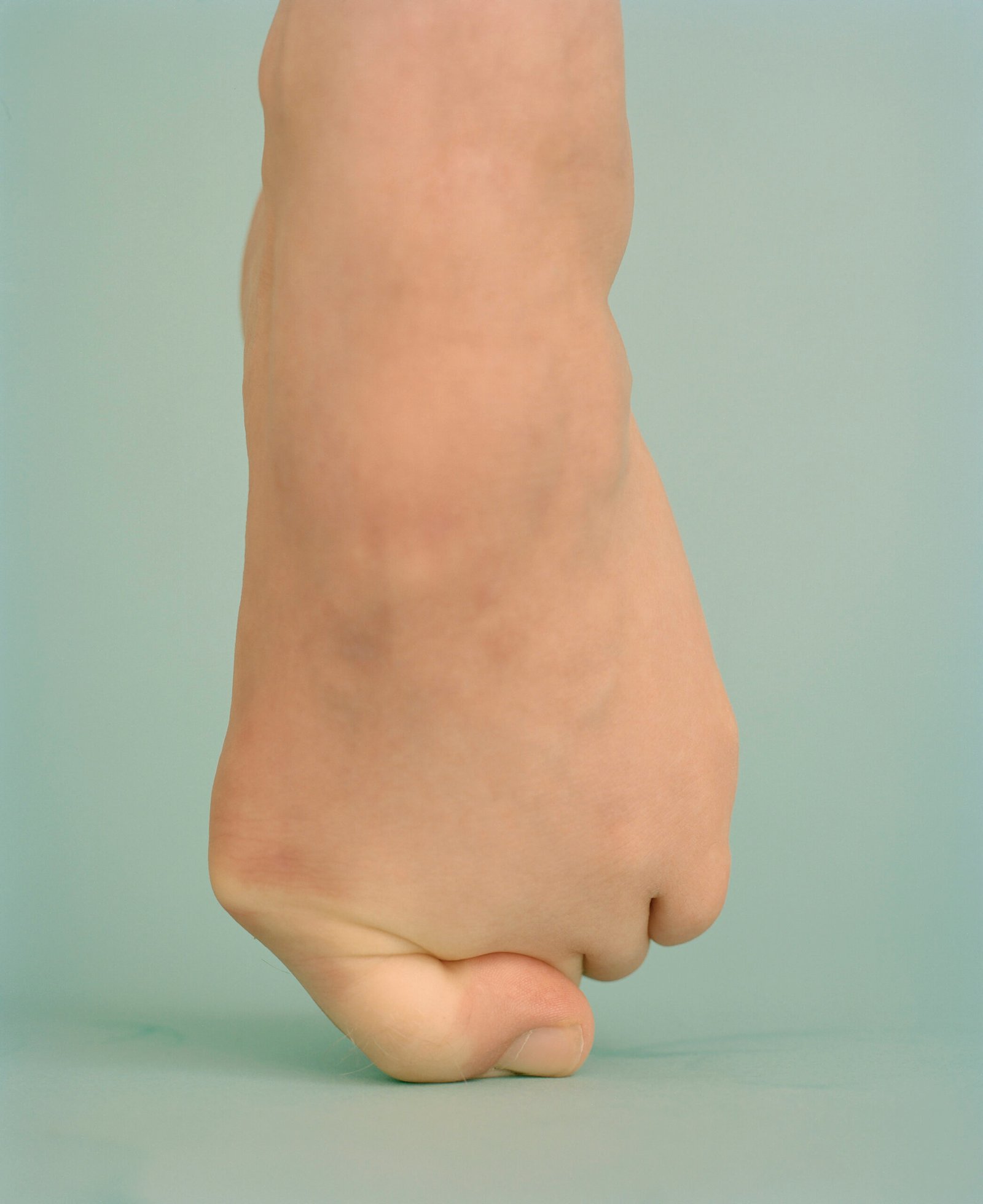
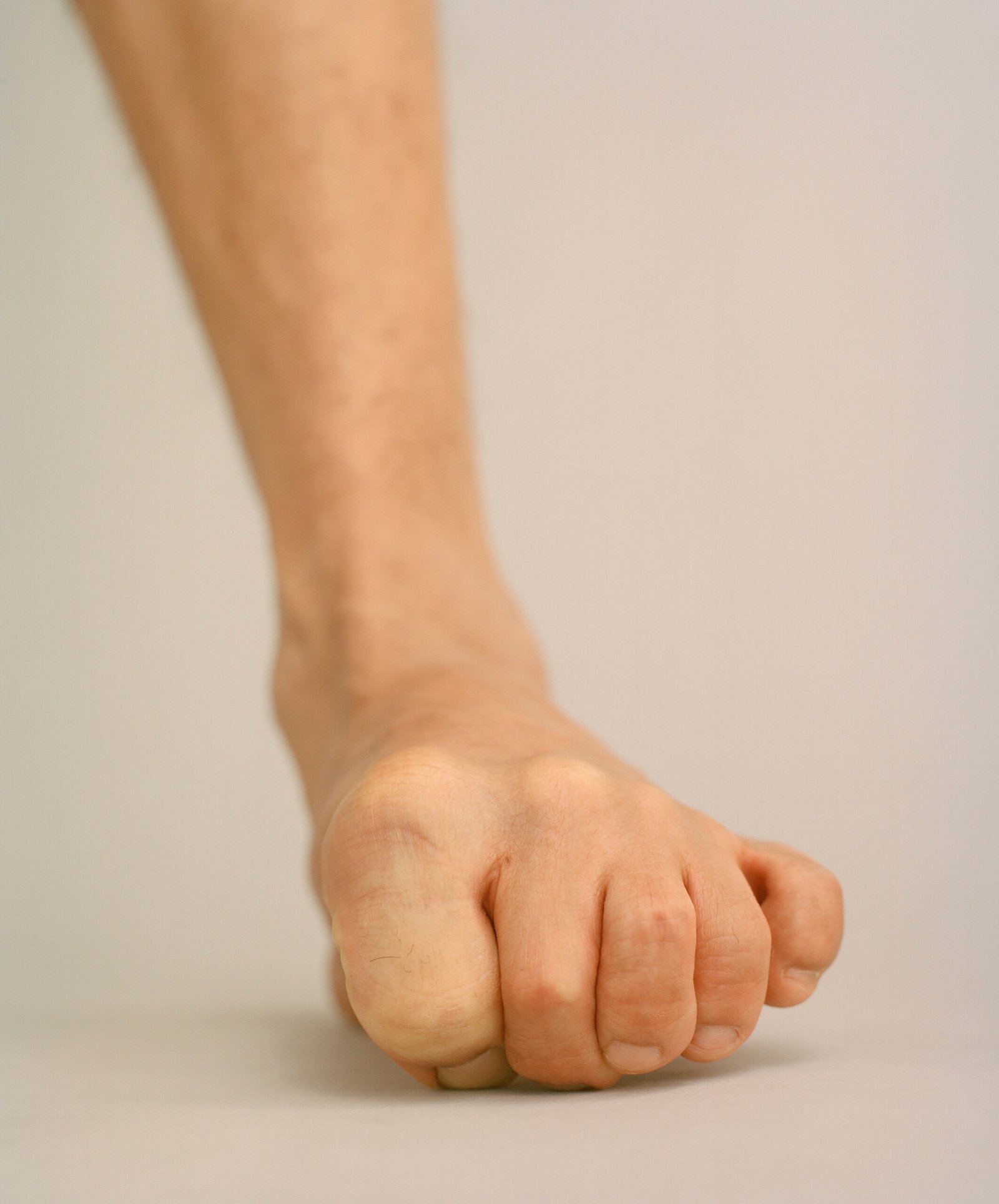
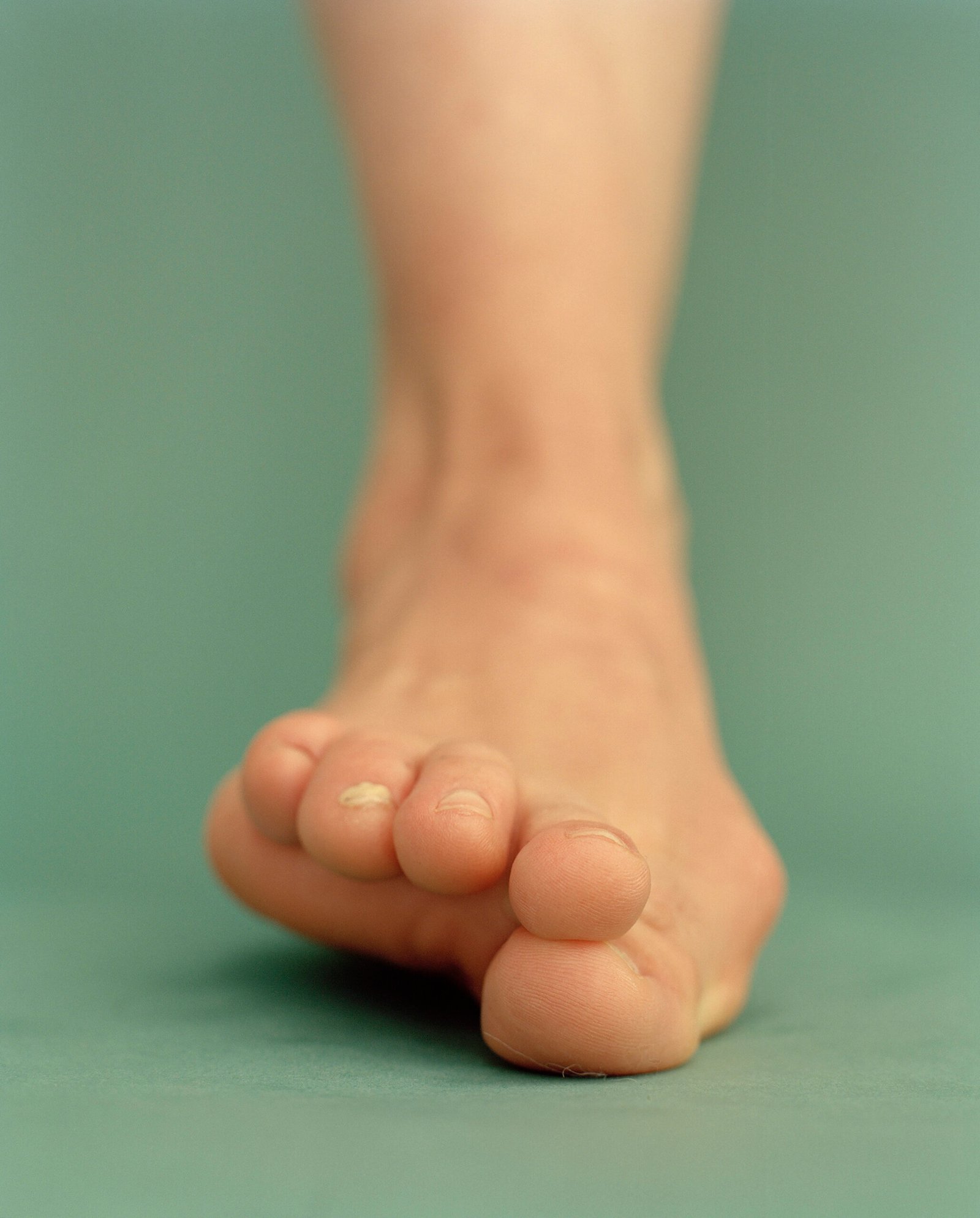
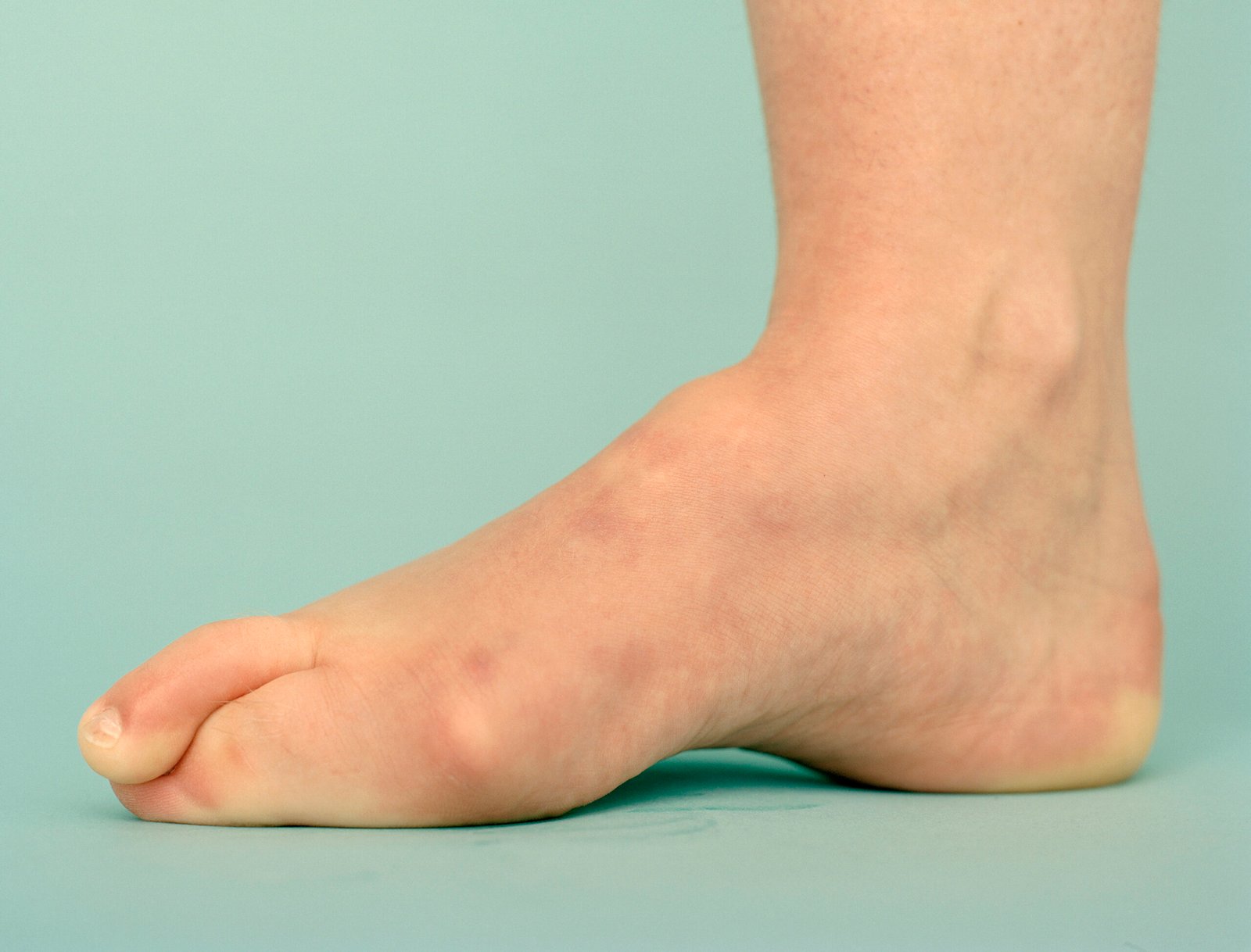
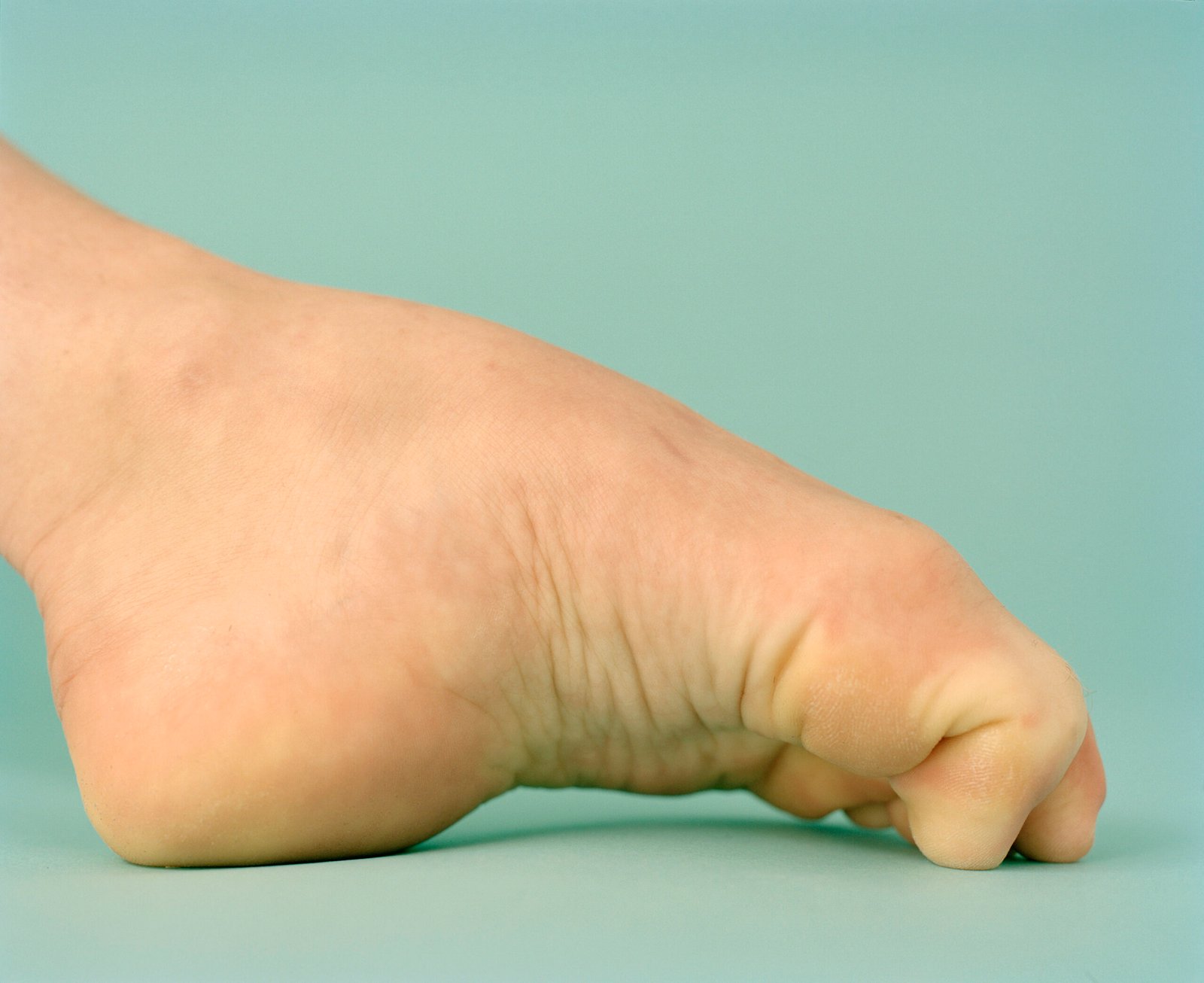
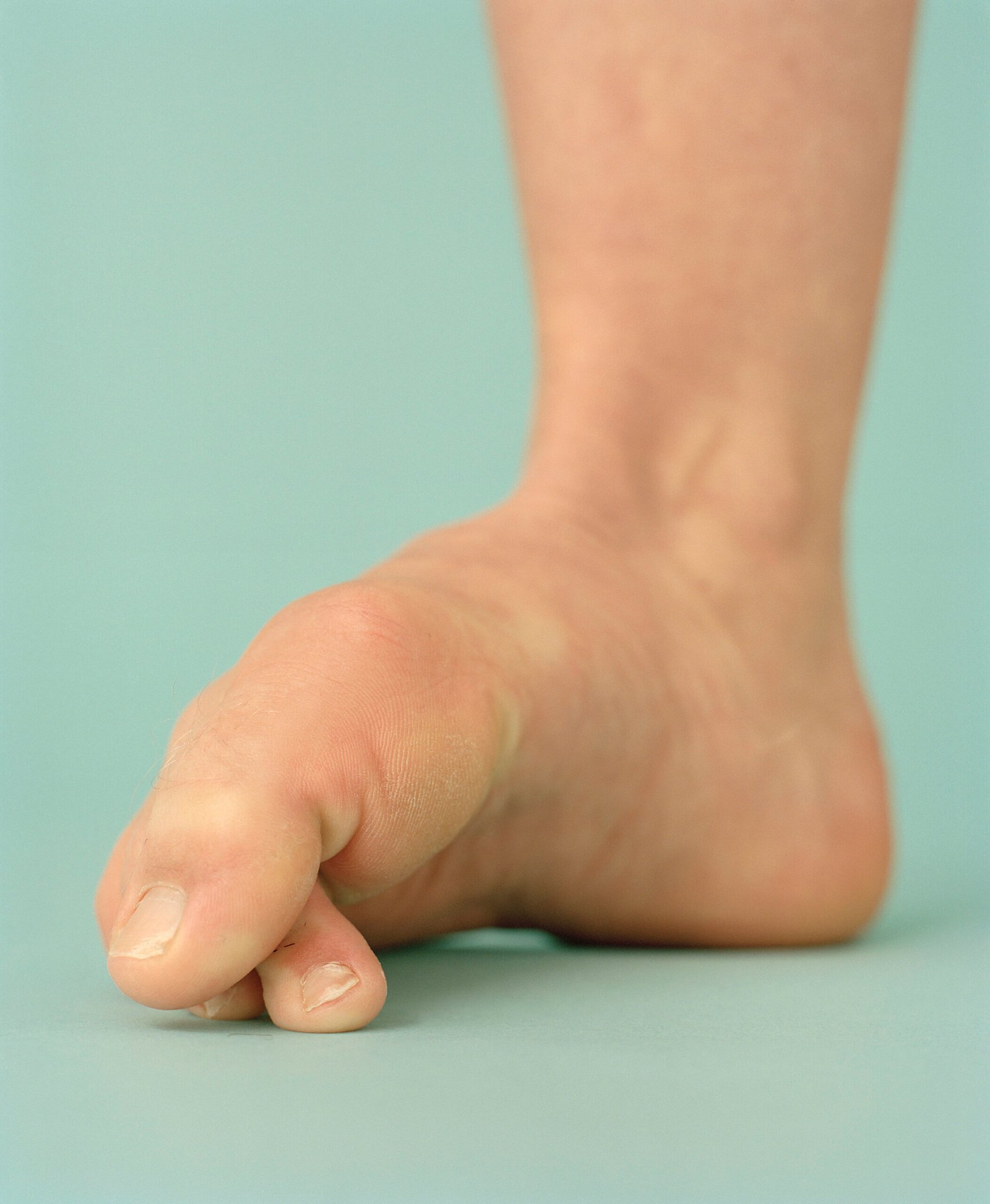
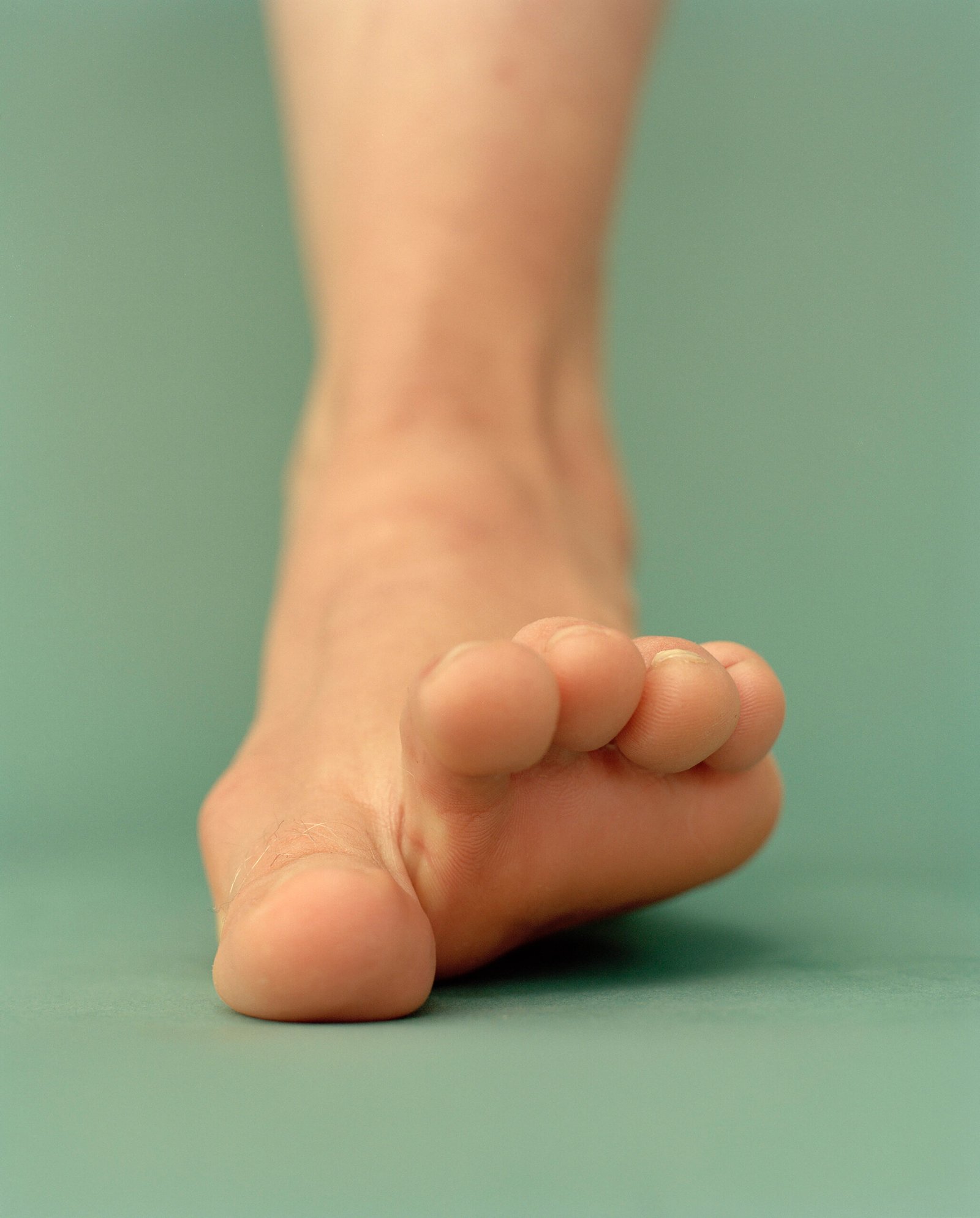
Informed by her background in dance, Ingrid Eggen’s artistic projects posit the body as a malleable, meaning-producing structure. In her work, human gestures and physical transformations – performed in front of the camera – see a range of familiar anatomical relationships unravel, opening up an alternative spectrum of body languages that have yet to take root in our collective vocabulary. In her Pedknots project, we encounter a series of feet and joints contorted into uneasy knot-like arrangements: an attempt to see what emerges when the foot’s point of contact with the ground is destabilised. For the artist, the act of reorganising the foot’s relationship with balance and weight marks a shift in its established anatomical properties, which in turn invites new possible forms of function and communication.
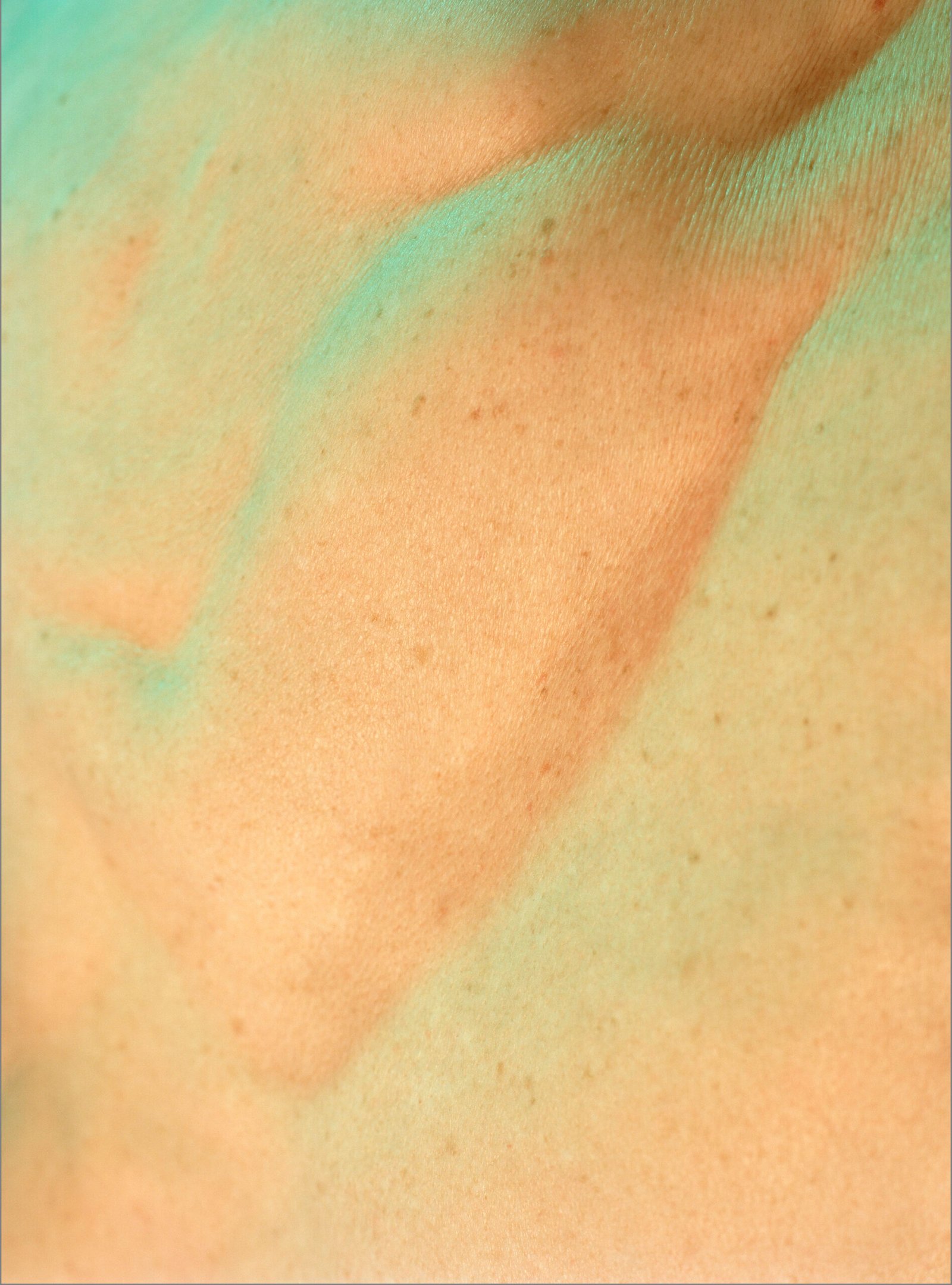
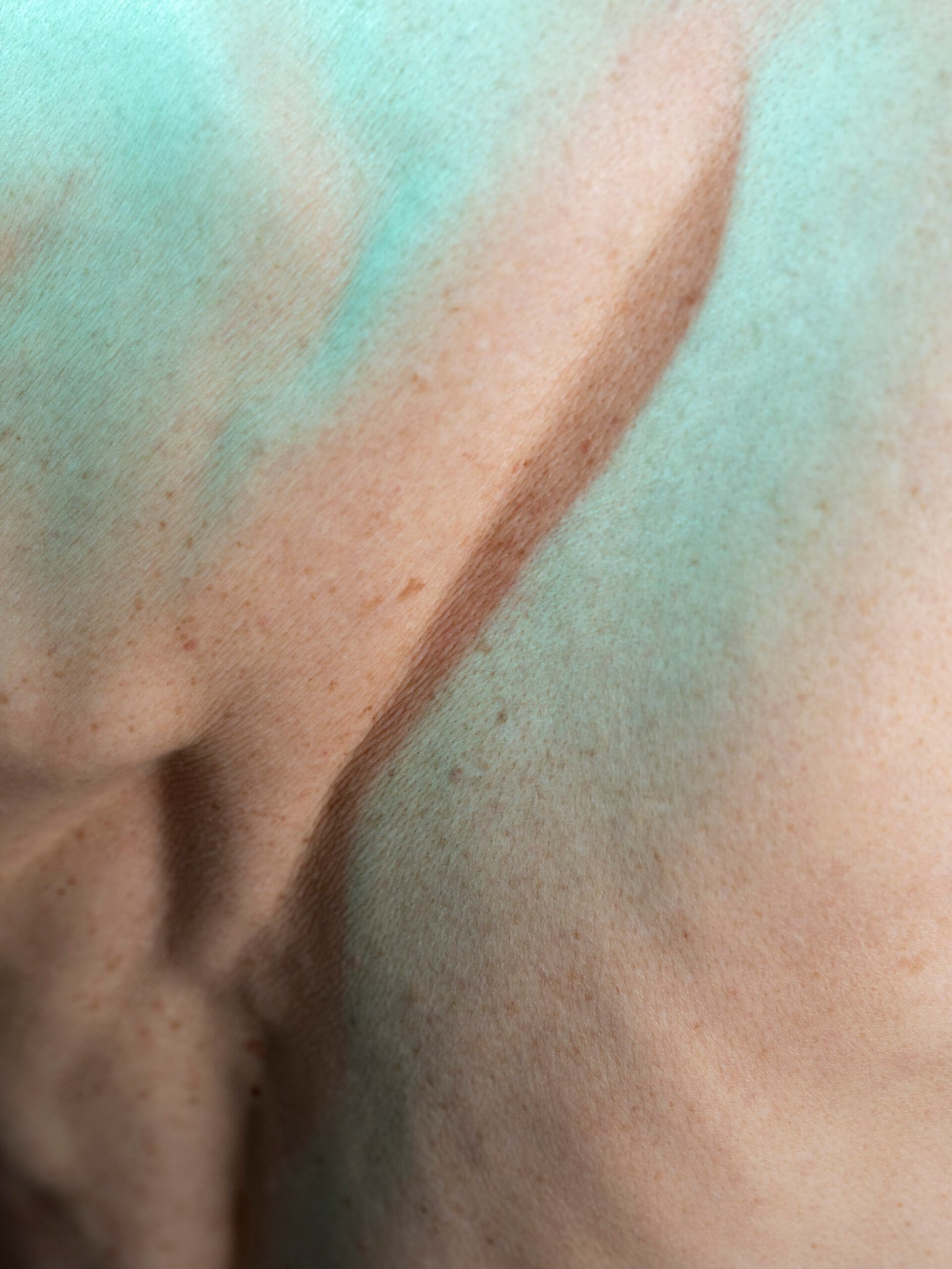
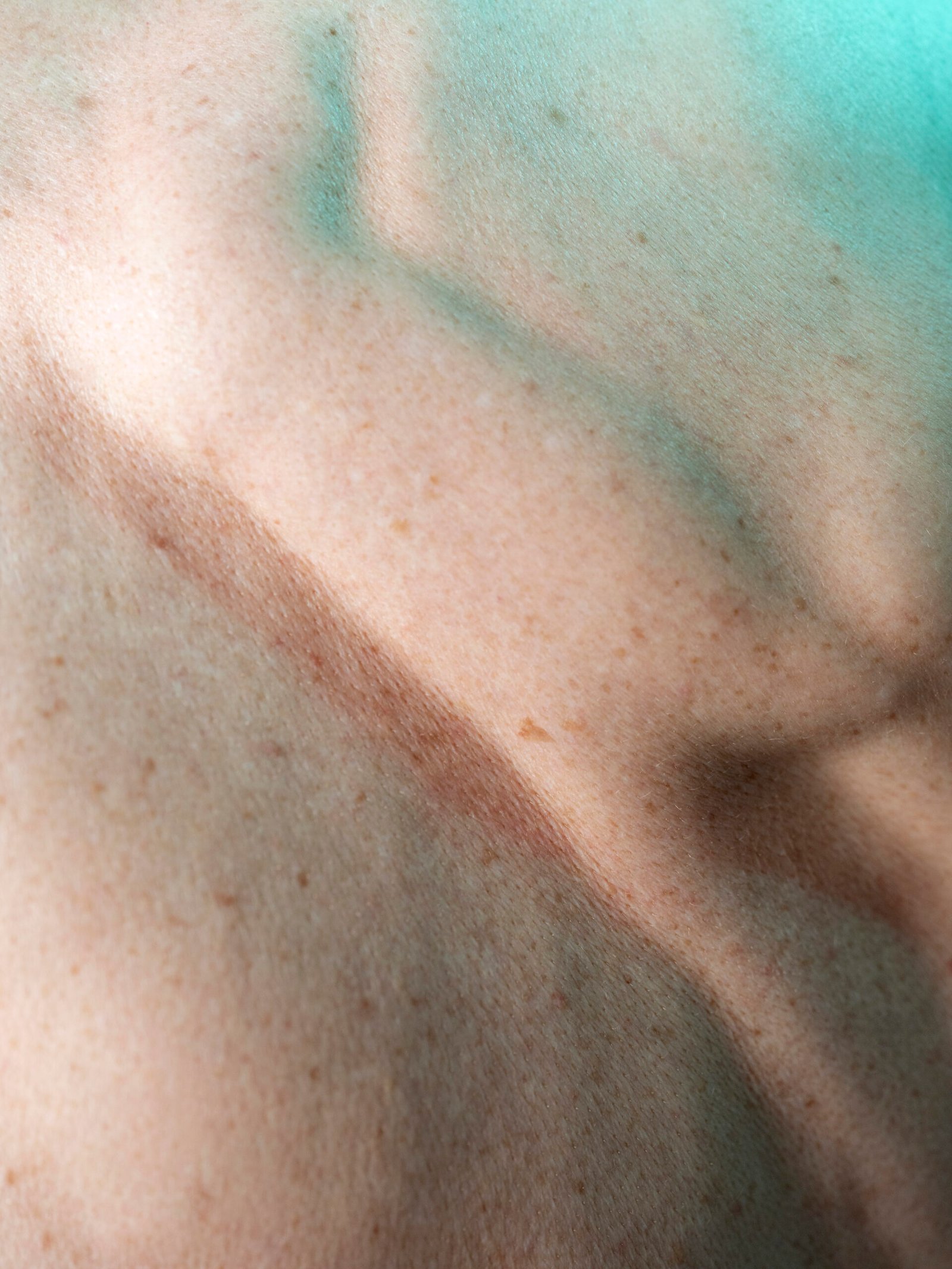
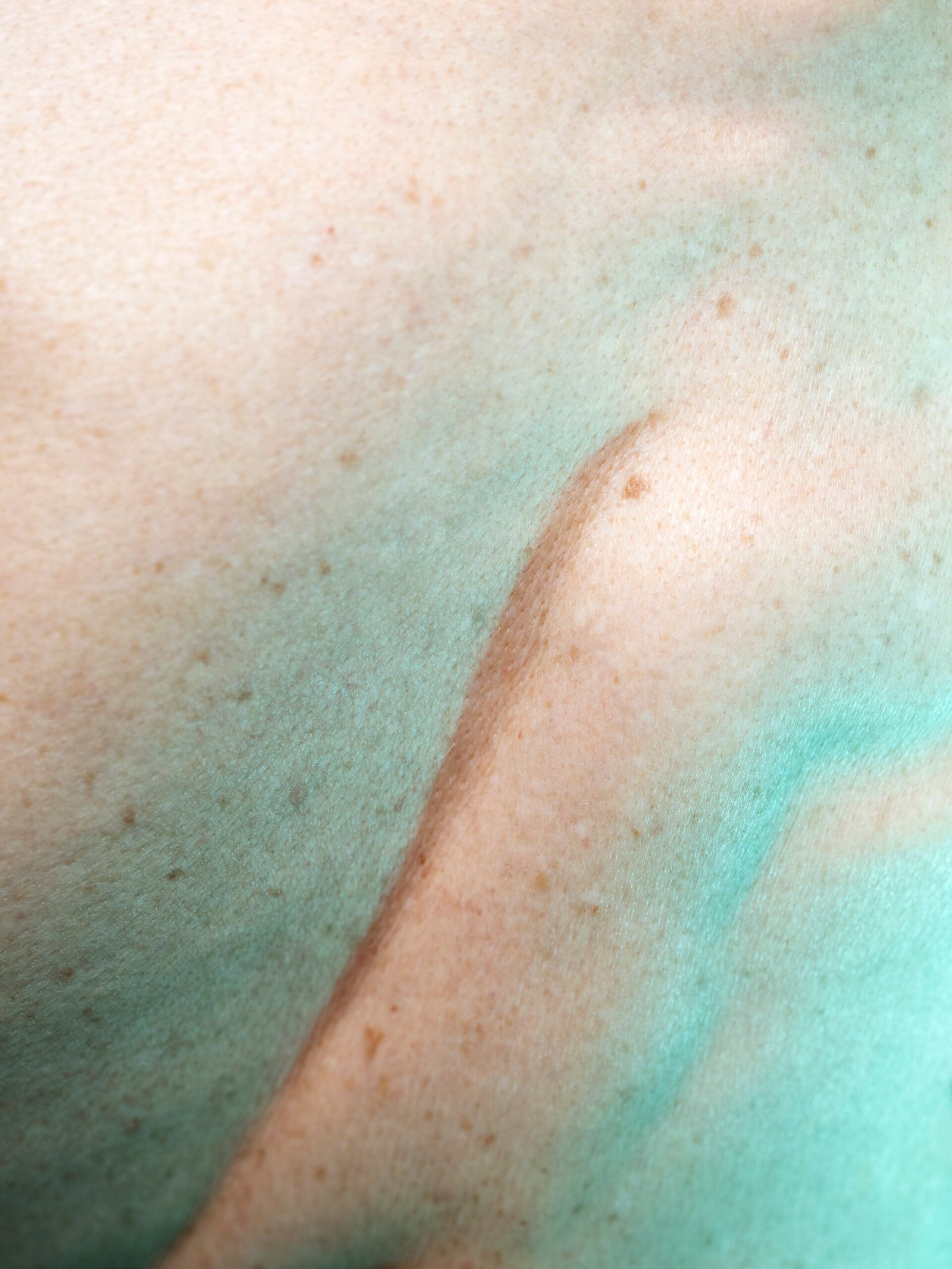
Elsewhere, Eggen’s Limbits series presents abstract fragments of the body’s dimpled surfaces, isolated and blown up in scale, then twisted in a shadow play of textured patterns and silhouettes. Is that the curved arc of a nostril, the hollow of a navel, or maybe it’s the contours of bone beneath skin? The sense of distortion is further heightened through colour. Bathed in an aquamarine light that seeps from photographic print to frame, these images appear to propose bodies that are organised according to a different set of principles, their parts and properties briefly liberated from customary roles. Across Eggen’s work, what takes place when bodily properties migrate, or when a part is released from its established function, forms a central preoccupation. What if the skin could grasp, or the eye feel? And could any pre-existing anatomical framework accommodate these peculiar possibilities?
The research questions that backdrop the contorted forms in Pedknots and Limbits take inspiration from the field of biomimetics, which studies how organisms and ecosystems develop innovative solutions to problems through evolution and adaptation. Within this framework, Eggen questions how a changing interplay of social, technological, cultural and ecological conditions might generate new bodily forms. Setting out her plans for future works, she details a possible visual investigation into the thumb: a symbolic body part used to affirm or deny, to express happiness or discontent, now reshaped irrecoverably by the steady creep of handheld technology – and forever absorbing the increasing strain of endless screen time.
These separate studies, relating an overlapping set of questions to separate human parts, can be understood as chapters in an alternative bodily atlas. Where long histories of anatomical classification have sought to define what the body is, positioning it within a rigid system of established functions, Eggen’s atlas speculates instead on what it might become. Here, the body is an unfinished proposition, an intelligent work-in-progress, capable of developing forms of movement, communication and sensation for which we have yet to find a language.
Ingrid Eggen (b. 1979, Norway) lives and works in Oslo. She holds a BA from Oslo National Academy of the Arts (Institute for color) and Konstfack, University College of Arts, Crafts and Design in Stockholm. She undertook an independent project in artistic research for 6 months at the Akademin Valand, School of Photography in Gothenburg. Eggen has exhibited at venues such as Henie Onstad Art Center, Haugar Vestfold Artmuseum, Lillehammer Art Museum, Kunstnerforbundet, gallery 1857, Centro de la Imagen, Mexico City and Ulterior Gallery, New York. Recent solo exhibitions include the FUTURE FAIR 2022 at Chelsea Industrial, New York, TRUST – f/stop – 9. Festival fur Fotografie Leipzig (2021), galleri MELK (2021), Oslo Negativ (2021), Galleri Noplace, Oslo (2020), Fotografihuset, Sukkerbiten (2020) and Sandefjord kunstforening (2020). Her work is in several private and public collections such as The Museum of Contemporary Art Kiasma, The National Museum in Oslo, The Henie Onstad art collection, Equinor Art Programme and Oslo kommunes art collection. In 2017 she was nominated for the Sparebankstiftelsen DNB’s art grant.